Maplewood MN Condos and Townhomes Buyer’s Guide
March 5, 2026
March 5, 2026
Thinking about a low-maintenance home in Maplewood but not sure where to start? You want the space and comfort you need without the upkeep of a big yard, plus a location that keeps errands and recreation easy. This guide gives you a clear path: where condos and townhomes tend to cluster, what fees usually cover, the documents Minnesota law says you should receive, and a simple checklist to buy with confidence. Let’s dive in.
Maplewood is a mid-size east-metro suburb with roughly 40,000 residents, a solid park and trail network, and quick access to major highways and shopping. Those ingredients make condo and townhome living popular for first-time buyers and downsizers alike. You can explore high-level community data on the city through the Census QuickFacts tool for added context about housing and households in Maplewood. See the city profile on the Census site for a quick snapshot of the area’s makeup and housing trends. Explore Census QuickFacts for Maplewood.
For broad price context, recent reports show Maplewood’s typical home value near the low-to-mid $300,000s, with one source noting about $330,858 as of January 2026, while another source reported a median sale price near $276,500 that month. Treat these as background only. Actual condo or townhome prices vary by building age, amenities, views, and specific condition.
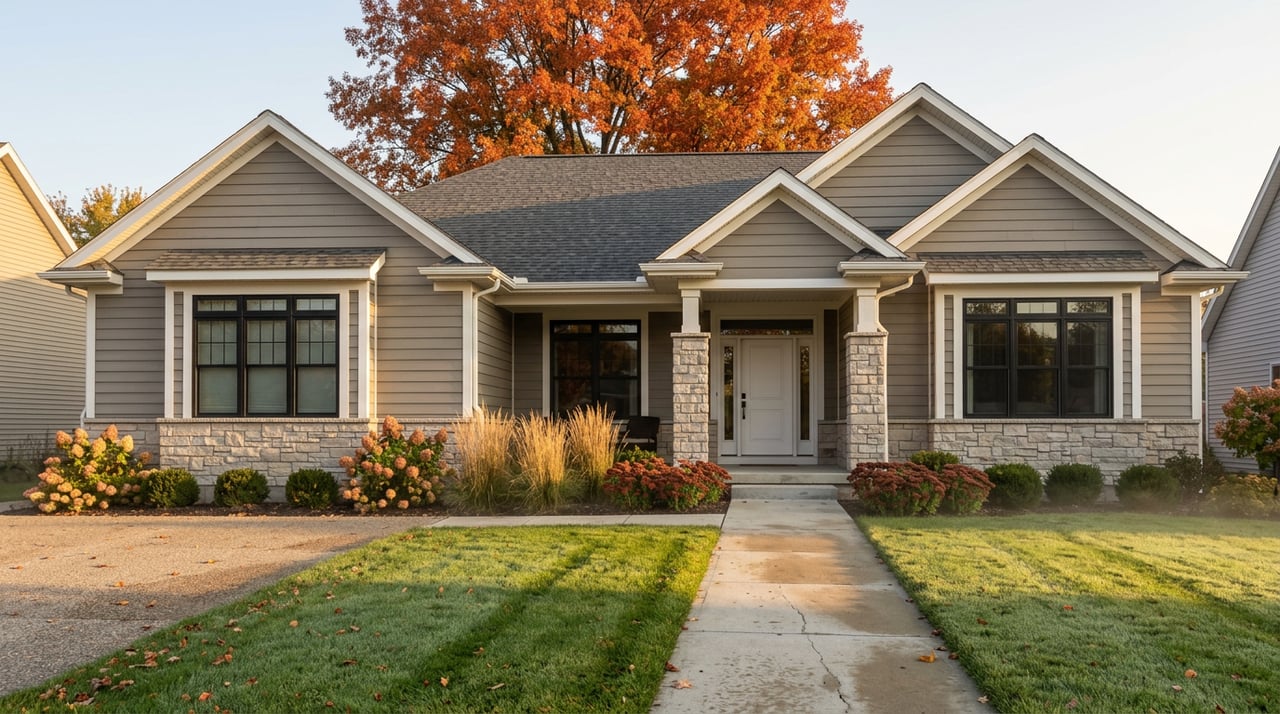
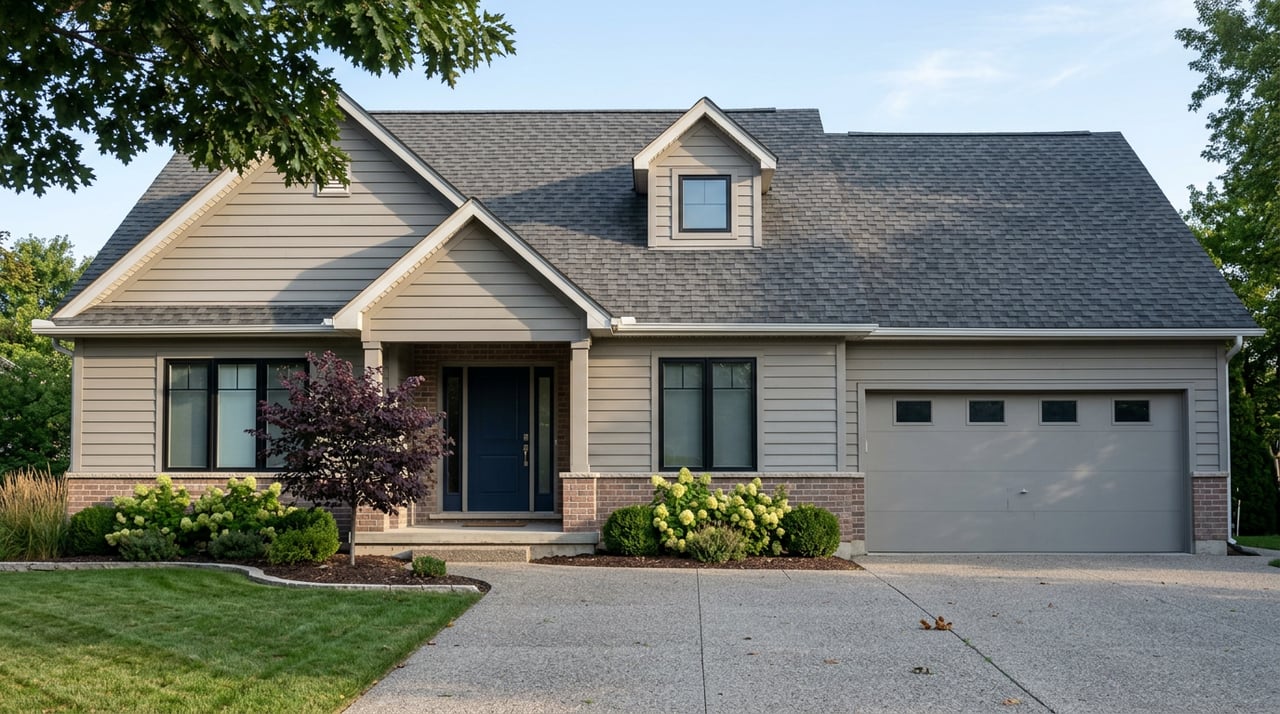
If you want newer low-rise condos and townhomes, start near County Road D along the Rosedale corridor. You’ll often find 2000s-era buildings, one-level elevator condos, and multi-level townhomes with two-car garages. This area tends to attract buyers who want modern layouts and low-maintenance living close to shopping and commuting routes.
Head to northwest Maplewood and you’ll see several mid- to low-rise condo buildings from the 1970s and 1980s, including the Connemara complexes. They commonly feature shared amenities like a club room, landscaped grounds, a pool, and heated or covered parking. These communities illustrate a classic Maplewood condo experience with mature grounds and social spaces.
Near Maplewood Nature Center, Summerhill offers a cooperative community often marketed to active adults 55+. Expect practical amenities like a fitness room, library, party room, guest suite, and heated underground parking. Co-op fees may bundle more services, sometimes including property taxes, so you will want to review the fee structure and transfer rules carefully, since they differ from traditional condos.
A small number of units near East Shore Drive offer lakefront or near-lake living oriented to views and water access. Inventory is limited here, and prices tend to sit above average for Maplewood due to the setting. If a water view is a must-have, this micro-pocket is worth tracking, though supply can be tight.
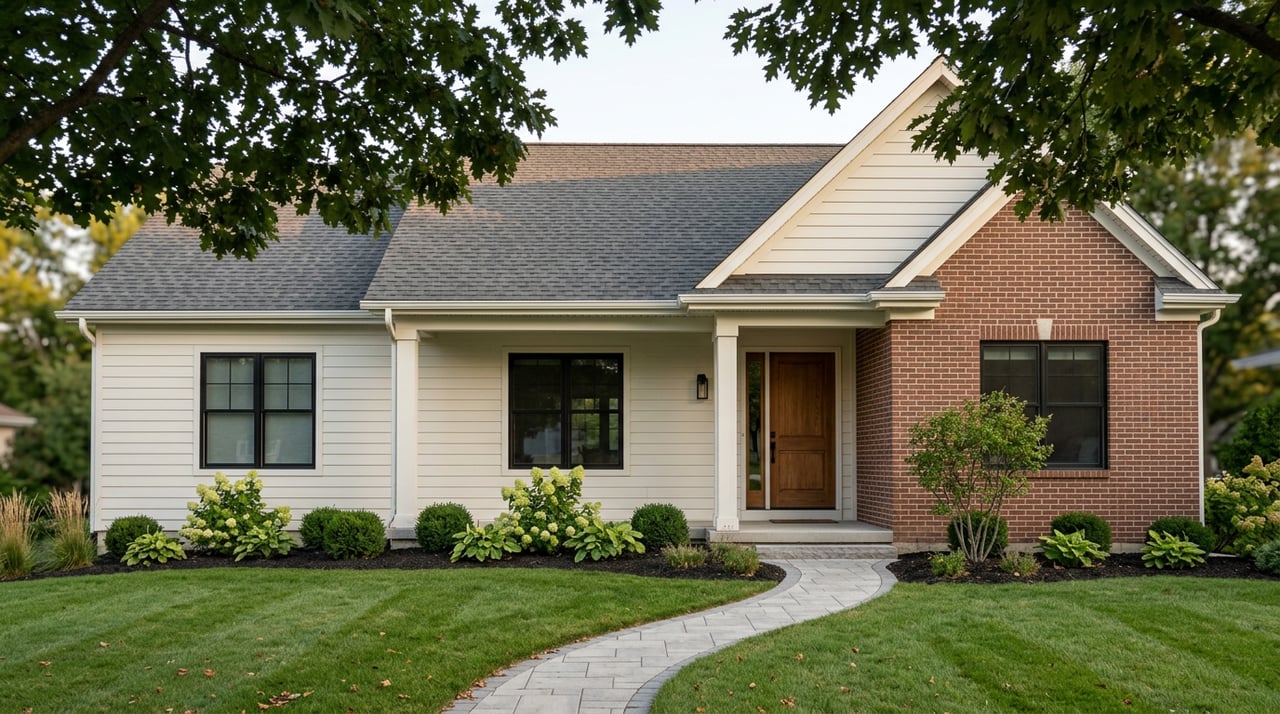
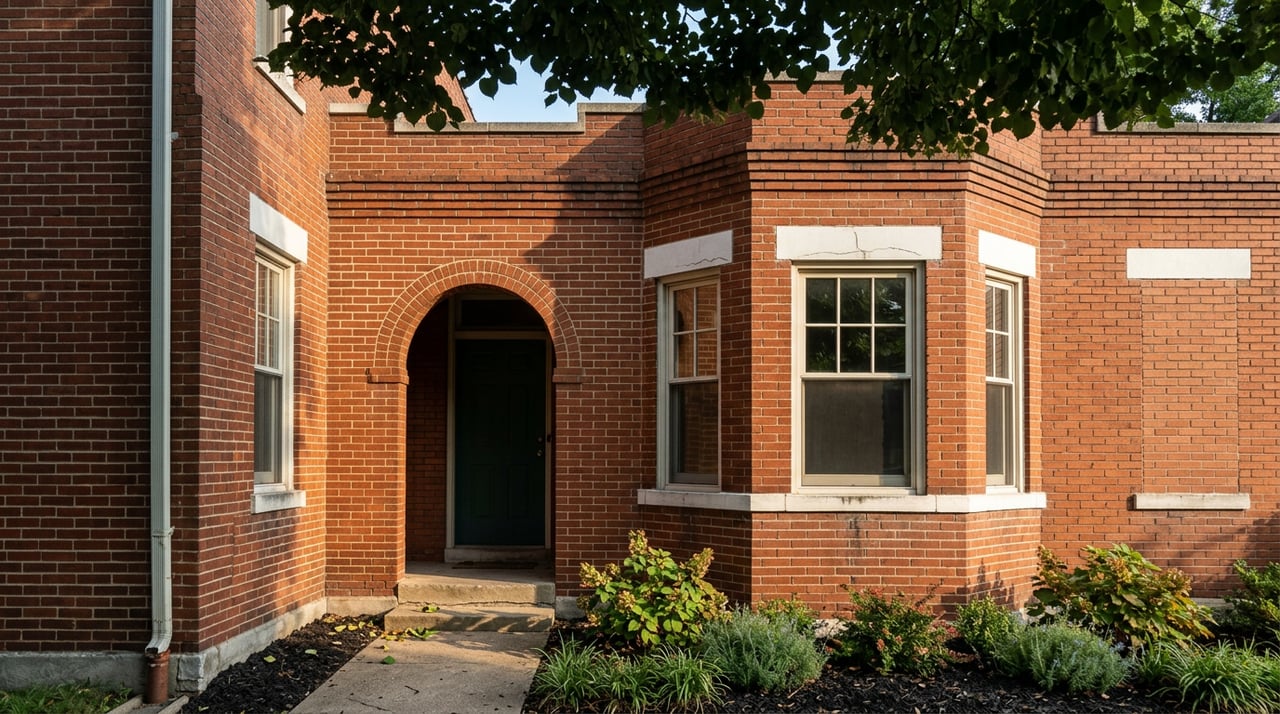
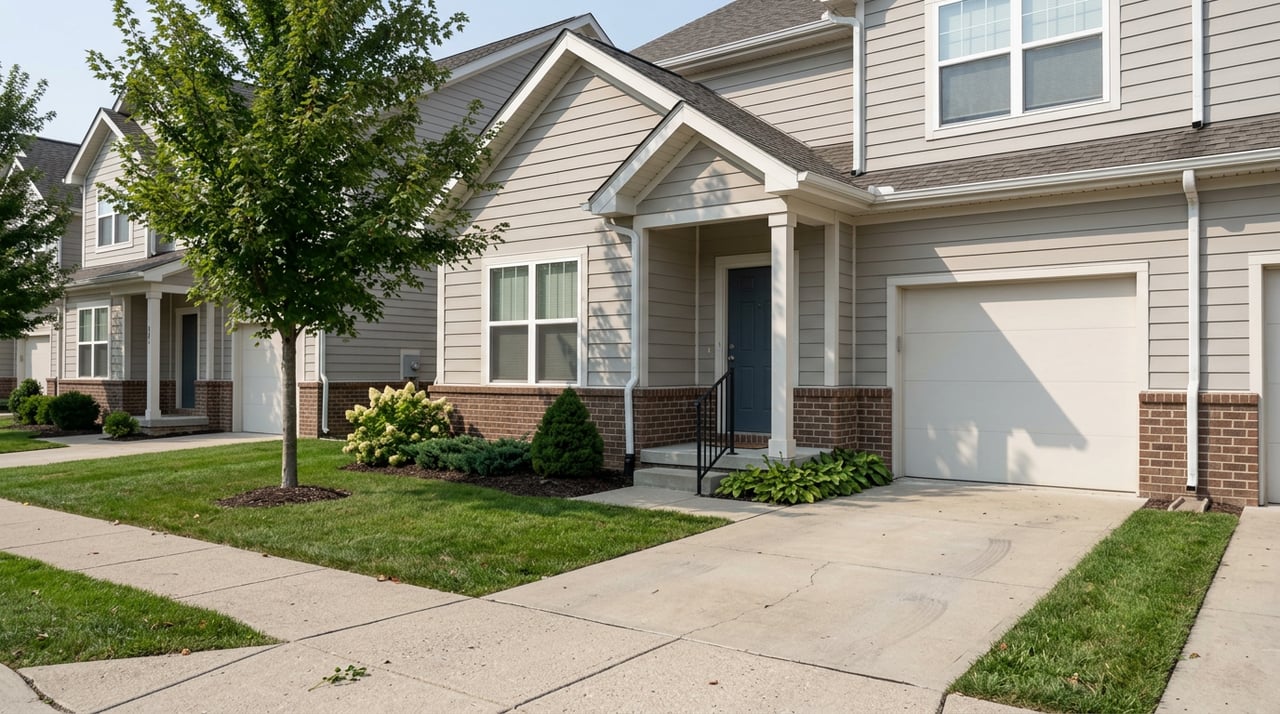
Across Maplewood you’ll find townhome pockets from the 1970s through the 2000s, including areas around Dorland and Maple Hills. These typically offer multi-level living, private patios or small yards, and attached garages. For buyers who like a house-like interior without full exterior upkeep, these townhomes often strike the right balance.
Expect a range from 1-bed, 1-bath condos up to 3-bed, 2-plus-bath layouts. Many condos are single-level flats roughly 900 to 1,400 square feet or more, which is popular with downsizers. Townhomes often give you two or three levels and 1,200 to 2,000-plus square feet, depending on garage size and finished lower levels.
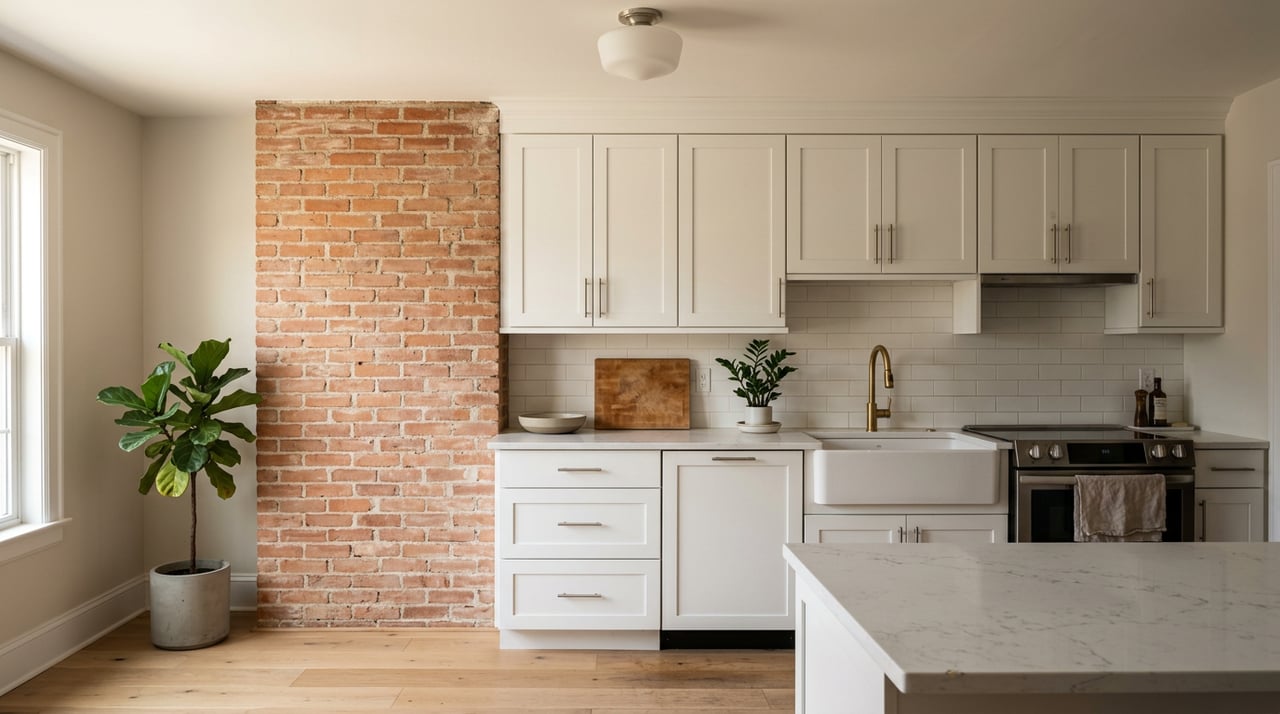
Common features include in-unit laundry, private decks or patios, fireplaces, walk-in closets, and assigned or attached parking. Newer buildings near County Road D often add elevator access and more one-level options, which can make day-to-day living and moving groceries a lot easier.
Most associations handle exterior maintenance, snow removal, landscaping, roof and siding care, plus common-area upkeep. Many also include shared utilities such as common water, sewer, and trash. Amenities differ by building, but you might see a community room, guest suite, fitness room, pool, secured or heated parking, and storage.
For budgeting, a regional guide for Minnesota communities notes many condo and townhome dues land in the ballpark of about 200 to 500 dollars per month, with amenity-rich buildings trending higher. That is a general range rather than a promise, so always verify for a specific property. For more detail on what HOA fees can include, see this overview from a Minnesota property-management resource: What HOA fees often cover.
Local snapshots provide context:
Minnesota’s Common Interest Ownership Act, known as MCIOA, sets important resale disclosure rules for most condos, co-ops, and planned communities created after June 1994. On a resale, the seller must provide a resale disclosure certificate and governing documents within statutory timelines. Buyers receive a limited right to cancel if disclosures are not provided properly. Read the specific requirements in Minn. Stat. § 515B.4-107.
Your resale packet typically includes the declaration and bylaws, rules and regulations, current budget, most recent financial statement, reserve details, known or pending special assessments, insurance coverages and deductibles, any pending litigation, and information about rental or occupancy restrictions. You can also review a plain-language consumer overview of Minnesota community associations from the Attorney General’s office: Minnesota condo and townhome association basics.
Follow these steps to lower risk and spot issues early:
Request the full resale packet early. Get the declaration, bylaws, rules, current budget, recent financials, reserve study or summary, insurance declarations, meeting minutes for the last 12 months, and the resale disclosure certificate. The statute explains what must be included and timelines. Review the disclosure details in Minn. Stat. § 515B.4-107.
Review finances carefully. Focus on reserve balances, operating trends, any special assessments, and delinquency rates. If reserves look depleted relative to upcoming roof, siding, or elevator work, factor in risk of future assessments. For a practical snapshot of what the resale certificate is intended to show, see this overview: Minnesota resale certificate basics.
Confirm insurance coverage. Ask for the master policy declarations, the deductible amount, and what you must insure on your HO-6 policy. A very high master deductible or narrow coverage can expose owners to loss assessments. This topic is also covered in industry explainers about resale packets and insurance expectations: What to look for in condo documents.
Read recent meeting minutes. Minutes reveal upcoming projects, disputes, or unplanned expenses. Frequent emergency sessions or heavy legal bills can flag unresolved issues. A Minnesota-focused legal commentary explains why minutes matter when judging a community’s health: Why meeting minutes deserve attention.
Check occupancy and rental rules. Ask for current owner-occupancy rates and any rental caps or right-of-first-refusal clauses. Lenders may apply project-level rules, and these policies can affect financing, resale, or your plans to rent.
Get professional help if needed. Have an experienced agent or attorney review maintenance allocations and rules. If the building is older, consider an independent inspection for roofs, windows, decks, or balconies. For a plain-language overview of association operations, see the state’s consumer guide: Condo and townhome association basics.
Coordinate with your lender early. Ask if the building is eligible for your loan type, and if you need FHA or VA financing, verify project approval well before you write an offer.
If you see one or more of these, slow down and evaluate the financials, minutes, and reserves more closely. It is better to catch problems now than after you move in.
Set a target monthly budget that includes principal and interest, taxes, insurance, and HOA dues. Remember that some associations include water, sewer, trash, or even cable or internet, which can offset other bills. If you are comparing two properties with different dues, look at what each fee includes rather than the headline number.
For loans, lenders sometimes apply project-level rules that are different from single-family homes. If you plan to use FHA or VA, ask your lender about the project’s current approval status. Get this answer early so you can write strong, realistic offers.
When you are ready to line up showings, pressure-test the value, or walk through the resale packet, connect with a local guide who knows the east-metro condo and townhome landscape. Reach out to samuel boatman for a clear, valuation-led plan tailored to your goals in Maplewood.
Stay up to date on the latest real estate trends.