Your Guide to St. Croix River Access in Lakeland
December 18, 2025
December 18, 2025
Dreaming of walking to the St. Croix from your front door? If you are considering Lakeland or nearby river towns, you are likely weighing access, costs, and how life actually works by the water. This guide gives you a clear look at where to get on the river, which rules and permits apply, what to expect in each season, and what to check if you plan to buy near the shoreline. You will leave with practical next steps and trusted resources to confirm details before you decide. Let’s dive in.
Lakeland sits on the Minnesota side of the St. Croix River in Washington County. The St. Croix is part of the St. Croix National Scenic Riverway, which means it is managed for recreation and conservation in partnership with the National Park Service and state agencies. For you, that translates to beautiful scenery, great paddling and boating, and a few extra rules that protect the river’s character.
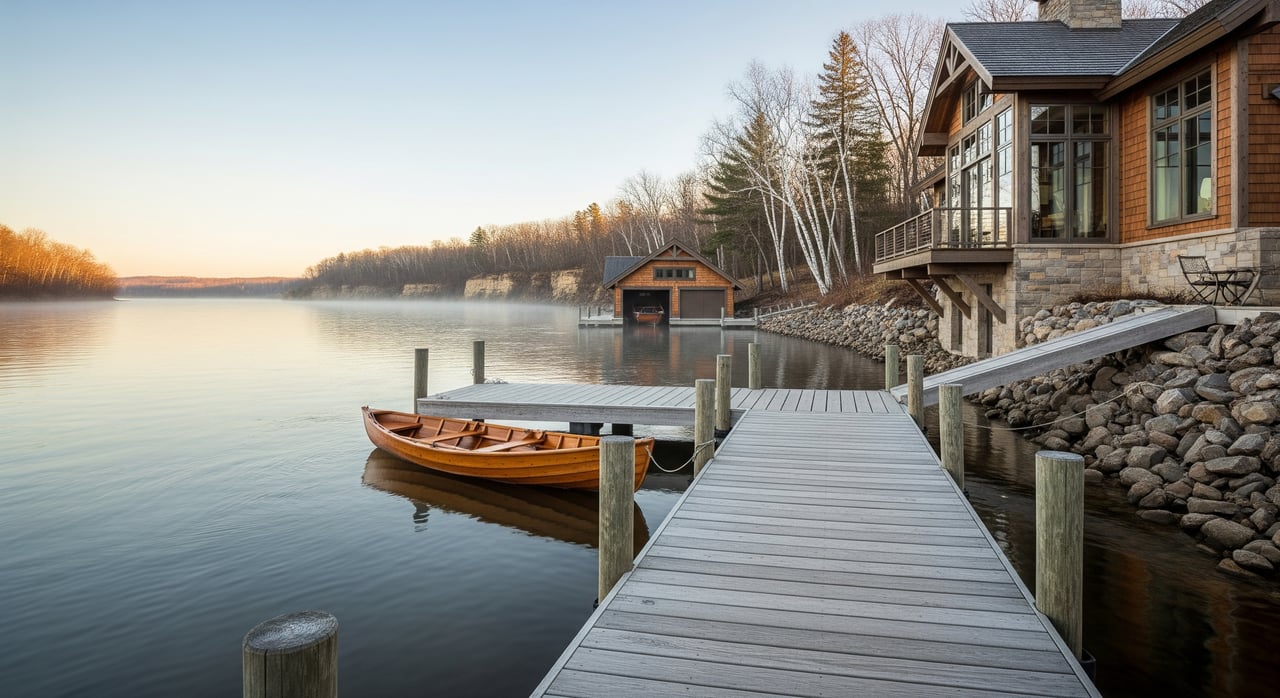
If you want daily river time, you will choose between homes with private shoreline access and homes near public launches or marinas. Both options can work well. The right fit comes down to how you plan to use the river, your comfort with maintenance and permits, and your budget.
If you prefer to trailer a boat or launch a kayak, start with the Minnesota Department of Natural Resources tools. The state maintains an interactive list of official launches. Use the MN DNR’s water access map to find ramps and parking near Lakeland and along the St. Croix corridor. You can browse sites and check whether an access accommodates trailers and the available parking by visiting the MN DNR water access map.
Washington County also manages parks and sites along the river. To see county-managed access points and park details, visit Washington County Parks. Always confirm seasonal hours and any trailer or parking rules before you go.
Two popular launch areas are located within nearby state parks. Afton State Park and William O’Brien State Park offer river access, trails, and seasonal services. For a current overview of park amenities and river access within the state park system, use the MN DNR state parks pages to plan your visit.
Before heading to any launch or park, verify:
Commercial marinas along this stretch of the St. Croix are typically located in neighboring river towns like Stillwater and nearby communities rather than inside small municipalities. Many offer seasonal slips, fuel, pumpout, limited repairs, and sometimes winter storage. Slip availability and services vary, and many operators keep wait lists for seasonal slips.
Call ahead to ask about:
All motorized watercraft used on Minnesota waters must be registered. Operator education requirements apply to some age groups. For the latest rules, registration steps, and safety gear checklists, visit the MN DNR boating pages and review boating safety guidance.
If you plan to fish the St. Croix, you need a valid Minnesota fishing license. Seasons, size limits, and special regulations can vary by waterbody and species. Review current details before you go on the MN DNR fishing regulations page.
Private docks, boat lifts, seawalls, grading, and other shoreline changes usually require permits. Rules come from the city or county and, in some cases, state shoreland rules or federal agencies. Washington County enforces shoreland zoning with setbacks, impervious surface limits, and vegetation protections that affect riverfront lots. Start with Washington County Planning and Zoning to understand what is allowed on a specific parcel.
Parts of the St. Croix are managed within the St. Croix National Scenic Riverway. Camping on riverway lands, group uses, and certain shoreline activities have additional rules. For trip planning, camping guidance, and riverway policies, check the National Park Service St. Croix National Scenic Riverway site.
Rivers behave differently than lakes. Currents, eddies, submerged logs, and changing depths can surprise new boaters. Make sure your required safety gear is on board and in good condition, and review local advisories before swimming. For water-quality information and public notices, visit the Minnesota Pollution Control Agency water page.
Minnesota takes aquatic invasive species prevention seriously. Follow the Clean, Drain, Dry protocol for all watercraft and gear, and use inspection stations where provided. Learn the current requirements at the MN DNR aquatic invasive species page.
Waterfront owners generally have riparian privileges, including reasonable access and docking, but structures are regulated. Confirm that any existing dock is permitted and that your plans for a lift or expansion fit local and state rules. The best first call is to Washington County Planning and Zoning for parcel-specific guidance.
Some riverfront homes sit within FEMA-regulated floodplains. Lenders often require flood insurance when a property is in a mapped flood zone. Check the latest designation for any address using the FEMA Map Service Center, then verify elevation and local standards with county staff.
Shoreland standards influence setbacks, lot coverage, and vegetation buffers, and they may affect where you can build a patio, garage, or addition. Septic and sewer rules also apply near sensitive shorelines. Review county guidance early to avoid surprises.
Riverfront ownership can mean extra maintenance, such as dock care, erosion control, and insurance. Value is shaped by frontage quality, flood risk, ability to dock, and proximity to marinas, parks, and nearby town amenities. If direct frontage is not essential, a home near public access or marinas can offer a strong lifestyle at a lower ownership cost.
Use this simple checklist to move forward with confidence:
Thinking about a move that puts the St. Croix in your daily routine? Let a local expert help you compare neighborhoods, weigh access options, and understand shoreland rules before you write an offer. Reach out to samuel boatman for thoughtful guidance and a valuation-first plan.
Stay up to date on the latest real estate trends.