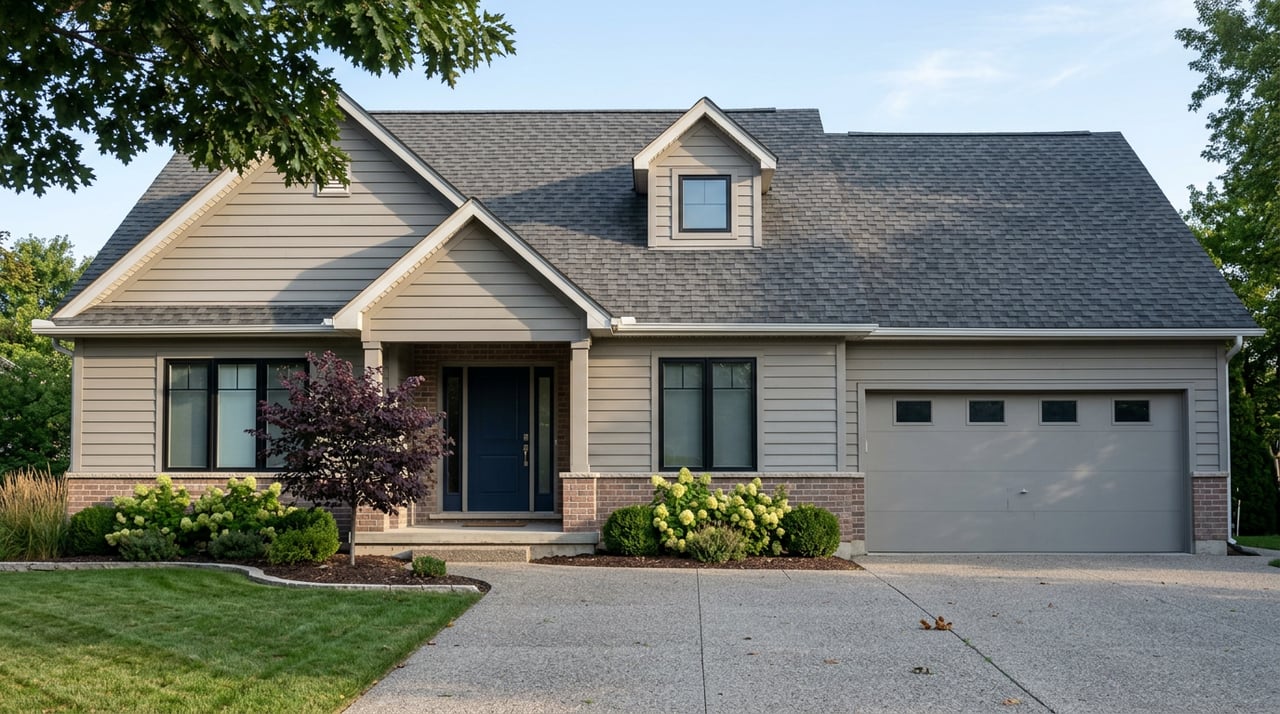
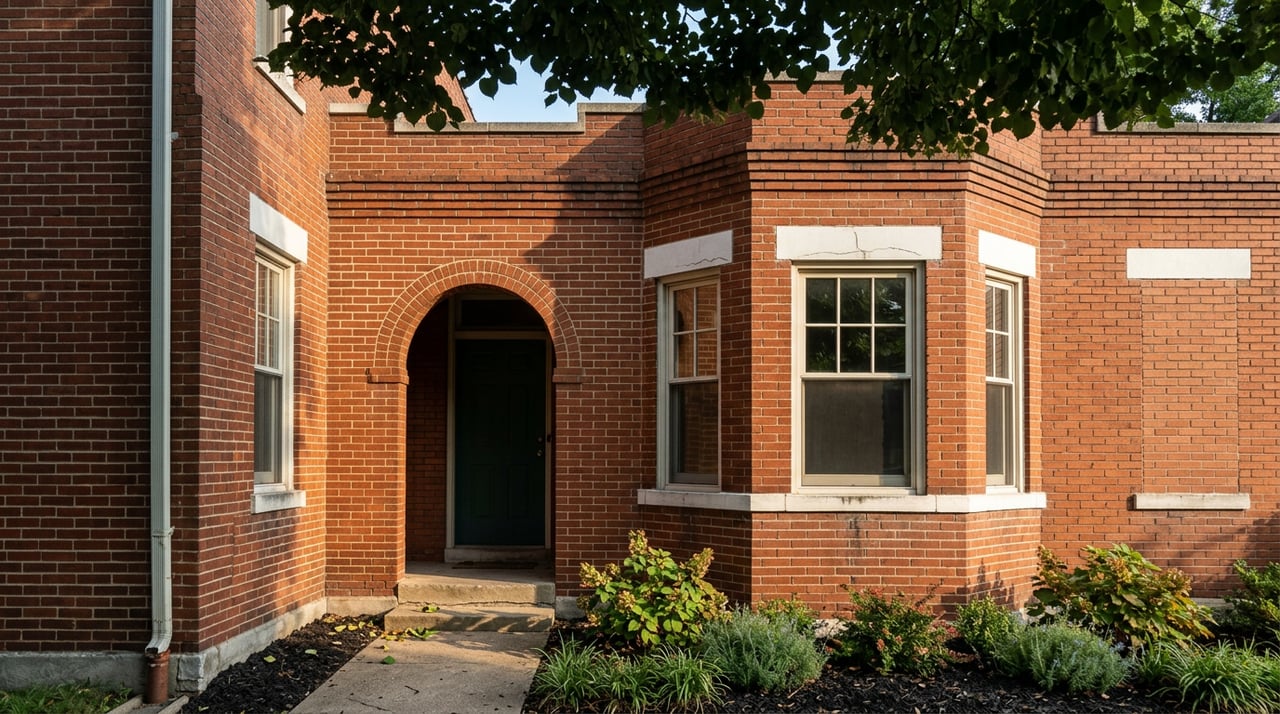
Feeling stuck between buying your next Woodbury home and selling the one you have? You are not alone. Many busy families targeting a summer 2026 move want a clean, low-stress plan that fits school schedules and the local market. In this guide, you will compare options, map out timelines, and see how to manage risk without guesswork. Let’s dive in.
How Woodbury’s market affects timing
Woodbury, like many Twin Cities suburbs, tends to see the most new listings in spring, with a second active stretch in late summer. That seasonal rhythm shapes both inventory and competition, which matters for whether you buy first or sell first.
Most closings here land in 30 to 45 days, but coordinating two transactions adds moving parts. If you have school-based timing goals, spring listing and summer move-in windows can compress your choices. Build a buffer for contingencies, leasebacks, or short-term housing to keep control.
Use current local data before you act. Ask for days on market, months of inventory, and neighborhood-level pricing for your specific part of Woodbury. That context helps you set the right strategy and pace.
Buy first vs sell first: quick comparison
Buy first: what you gain
- More selection and time to shop without pressure.
- Better control of school-year or summer move-in timing.
- Flexibility to prep your current home for top-dollar marketing.
Buy first: what to watch
- Dual carrying costs if your home takes longer to sell.
- Need for bridge financing, a HELOC, or strong cash reserves.
- Interest rate and price movement risk while you own two homes.
Sell first: what you gain
- Removes the sale contingency so your financing is simpler.
- No dual-carry period, which lowers financial stress.
- Clear budget with net proceeds in hand before you buy.
Sell first: what to watch
- Less certainty about finding your next home on your timeline.
- Potential need for a leaseback or temporary housing.
- Competitive disadvantage if sellers prefer non-contingent offers.
Decide with a simple framework
Ask yourself these questions:
- Equity and liquidity: Do you have enough equity and cash to fund a down payment or bridge loan if you buy first?
- Financing flexibility: Can your lender approve a bridge loan or HELOC? Can you qualify to carry two mortgages temporarily?
- Market balance: Is your price range facing low inventory or plenty of choices?
- Risk tolerance: Can you handle several months of dual payments if needed?
- Timing constraints: Do you need a single summer move or can you split the move with temporary housing?
- Contingent offer reality: Will sellers in your niche accept a sale contingency right now?
Default pathways many Woodbury families choose:
- Strong equity, low inventory, firm school timing: lean buy-first with clear risk controls.
- Limited equity, flexible timing: lean sell-first to avoid dual-carry pressure.
- Moderate equity, want the least disruption: consider a hybrid, like selling with a negotiated rent-back.
Financing paths that make buy-first possible
Bridge loans
A bridge loan lets you tap your current home’s equity for a down payment on the new place. These are short term and often interest-only. Expect stricter underwriting and higher fees, plus clear rules on combined loan-to-value and reserves. Get the repayment terms and timing requirements in writing before you commit.
HELOC or home equity loan
A HELOC can be quicker to set up than a bridge loan and may offer lower rates. You still repay it when you sell. Remember that HELOC rates can be variable, and using most of your equity narrows your safety margin if values soften.
Carrying two mortgages
Some buyers qualify to carry both mortgages for a short period. This avoids a specialty loan but demands strong income and reserves. Ask your lender how they treat debt-to-income and whether any allowances apply.
Contingent offers and leasebacks
If you sell first, a rent-back or leaseback can bridge the gap to your next closing. If you buy first, you may still use appraisal and financing contingencies to protect your downside. If you write a contingent offer, consider a short contingency period or a seller “kick-out” clause to make your offer more attractive.
Risk controls that lower stress
- Keep cash reserves for 3 to 6 months of dual costs if buying first.
- Get full pre-approval that matches your chosen path, including any bridge or HELOC products.
- Plan for longer sale timelines and possible appraisal gaps when you model your numbers.
- Coordinate appraisal, inspection, and financing contingencies so they work together.
- Consult a CPA on capital gains rules and a real estate attorney for leasebacks or complex clauses.
2026-ready timelines you can follow
Common prep for both paths
Start 9 to 12 months before your target move:
- Request a detailed net proceeds estimate and equity review.
- Secure full mortgage pre-approval and discuss bridge or HELOC options.
- Order a comparative market analysis for pricing and timing guidance.
- Do a pre-listing inspection and scope repairs that speed your sale.
- Build a budget for staging, repairs, moving, and temporary housing. Set aside cash reserves.
Sample timeline: buy first
- T minus 12 months: Meet with your lender and Realtor. Confirm equity and pre-approval for bridge or second-mortgage options. List your must-haves and school or commute priorities.
- T minus 9 to 10 months: Begin an active search. Prepare documentation for a bridge or HELOC and line up the product you will use.
- T minus 6 to 3 months: Craft offer strategies, including inspection and appraisal protections. If your offer is accepted, coordinate the new home closing with your planned listing date.
- T minus 2 months: Finalize prep and staging for your current home so it can list quickly after you purchase. Set aside extra reserves for a dual-carry window.
- Closing on new home: Move in, then list your current home immediately with strong pricing, staging, and marketing.
- Post-closing: Monitor traffic and feedback. If the sale lags, revisit pricing and discuss any bridge repayment checkpoints with your lender.
Sample timeline: sell first
- T minus 12 months: Build a staging and repair plan with your Realtor. Outline temporary housing options and moving logistics.
- T minus 9 to 6 months: Complete prep work and time your listing for spring if you want a summer move. Keep your purchase pre-approval current.
- T minus 3 to 2 months: List and market your home. Negotiate offers with a closing date that gives you 30 to 60 days to shop. Consider a rent-back if needed.
- Post-sale: Shop with proceeds in hand and write stronger offers. If the right home does not appear, use a short-term rental or leaseback to avoid rushing.
What to line up now
- A lender who can underwrite a bridge loan, HELOC, or dual-mortgage qualification.
- A Woodbury-focused Realtor with move-up experience and neighborhood-level pricing insight.
- Home inspector, stager, and contractors for fast repair turnarounds.
- Moving company quotes and short-term rental options.
- CPA or tax advisor for capital gains planning and timing.
- Real estate attorney if you expect leasebacks or complex contract terms.
Smart questions to ask
Ask your lender
- Can you approve a bridge loan or HELOC for our scenario, and what reserves and documents are required?
- How will you treat our current mortgage when qualifying us to buy before we sell? What debt-to-income and combined loan-to-value rules apply?
- What are today’s estimated rates, fees, and terms for bridge loans and HELOCs?
Ask your Realtor
- What are recent days on market and sale-to-list ratios for homes like mine in Woodbury?
- How are contingent offers performing right now, and what terms improve our odds?
- How should we time the sale with the school calendar to reduce double moves?
Ask your tax advisor
- How will selling our primary home and buying another affect capital gains exclusions and Minnesota tax considerations, especially if we do a leaseback or short-term rental?
Next steps
If you want a 2026 move that feels calm and controlled, start with clarity on equity, financing, and timing. A structured plan helps you choose between buying first, selling first, or a hybrid that fits your family. When you are ready, connect for a local pricing consult, a custom timeline, and lender introductions that match your strategy.
Reach out to samuel boatman to get a free valuation, review your options, and build your 2026 move plan.
FAQs
What is the safest option for Woodbury families targeting summer 2026?
- If you want the least financial risk and can be flexible with timing, selling first is usually safer because it avoids dual carrying costs and removes sale-contingency uncertainty.
How do seasonality and school calendars affect my choice in Woodbury?
- Spring listings and summer closings are common, which can compress timelines. If you need a single summer move, buying first with strong reserves can keep your schedule intact.
What makes a contingent offer more attractive in a competitive market?
- Short contingency windows, a clear proof of funds or strong pre-approval, and allowing a seller “kick-out” clause can help, though acceptance depends on local inventory.
When is a bridge loan better than a HELOC for buying first?
- If you need quick access to equity and can qualify under strict terms, a bridge loan can be cleaner. A HELOC may be cheaper and more flexible but adds variable-rate risk.
How much reserve cash should I hold if I buy first?
- Plan for at least 3 to 6 months of mortgage, taxes, insurance, utilities, and basic maintenance to cover a slower-than-expected sale.
Can I avoid moving twice if I sell first?
- Yes. Try to negotiate a post-closing rent-back or secure a short-term rental that overlaps with your purchase closing so you can move once.