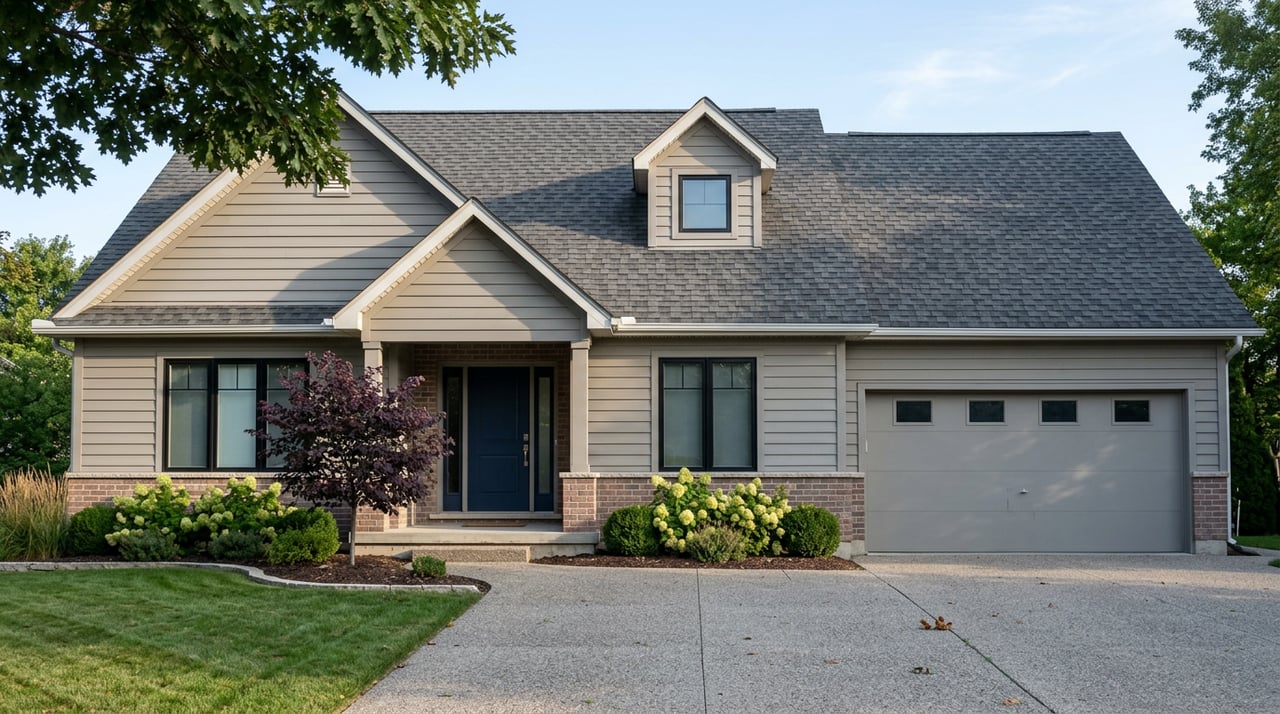
Two Houses On Rivercrest Road Reveal What Lakeland's Median Price Hides
September 10, 2026
September 10, 2026
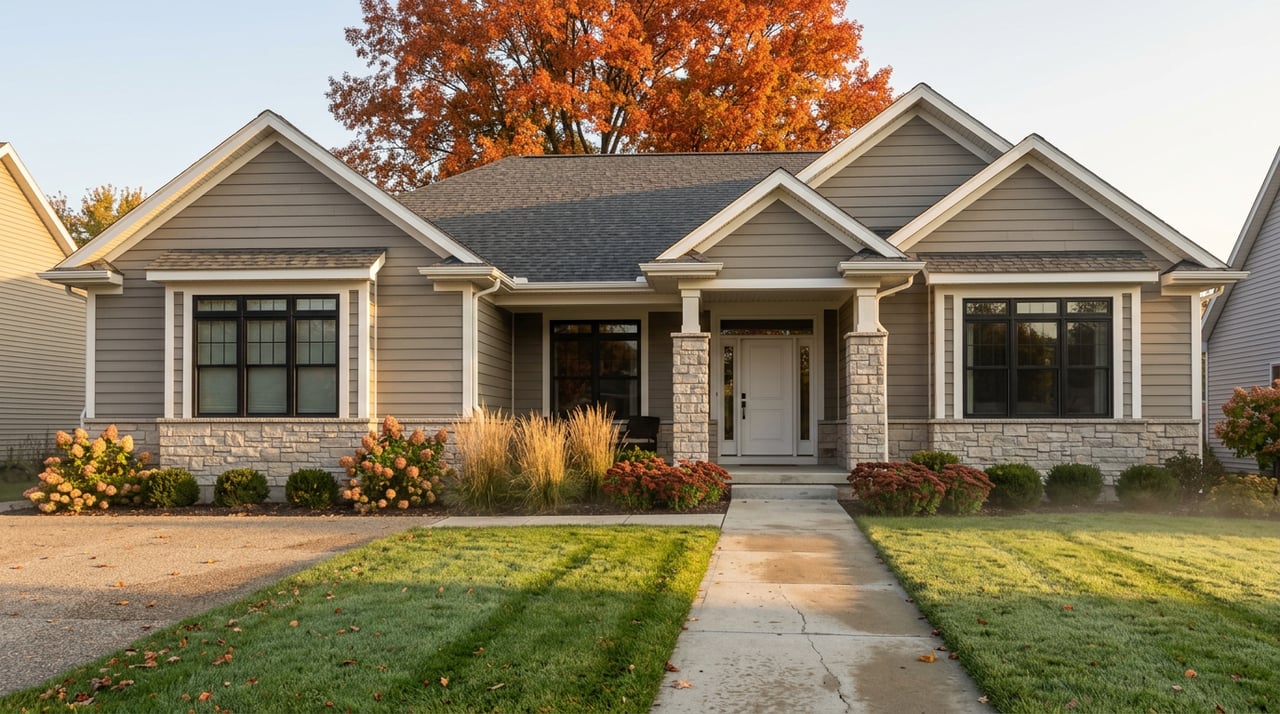
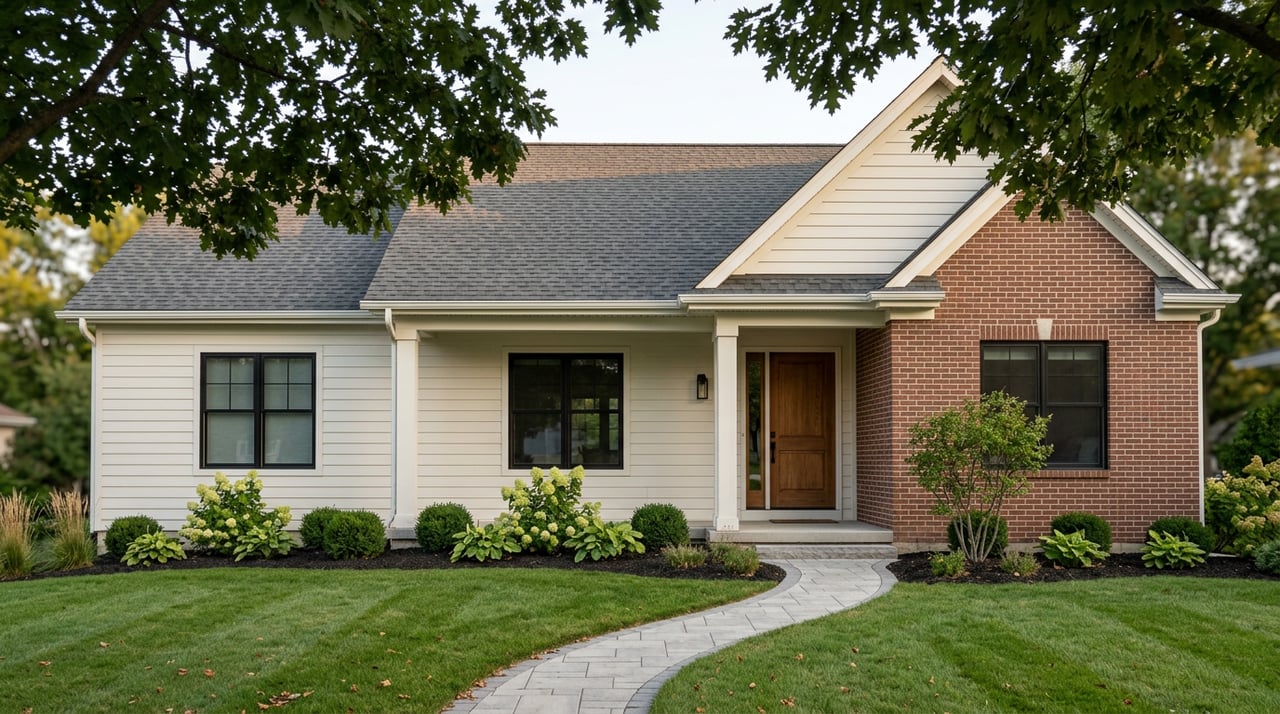
On May 5, 2026, a three-bedroom home on Rivercrest Road North in Lakeland sold for $360,000. It had been listed at $340,000, spent 36 days on the market, and closed six percent over asking. Three days later, another home a short walk down the same street, 1632 Rivercrest Road North, closed for $505,000 after 109 days on the market and sold four percent under its $525,000 asking price.
Same street. Same week. Same small river town of roughly 1,800 people east of St. Paul. Two houses that behaved like they belonged to entirely different markets.
That gap is the real story sitting underneath Lakeland's headline numbers. As of early September 2026, public listing data described Lakeland as a competitive market, with the typical home selling in about 27 days and closing for roughly one percent above asking. That figure is accurate. It is also close to useless if you're pricing anything north of about $450,000, or trying to figure out why a listing that looks priced right is still sitting after two months.
Pull the actual sold records from the past year instead of the town-wide average, and a pattern shows up fast.
| Address | Sold | Sale Price | List Price | Days on Market | Sale vs. List |
|---|---|---|---|---|---|
| 1632 Rivercrest Rd N | May 8, 2026 | $505,000 | $525,000 | 109 | 4% under |
| 997 Rivercrest Rd N | May 5, 2026 | $360,000 | $340,000 | 36 | 6% over |
| 235 Quehl Ave N | Mar 26, 2026 | $339,900 | $339,900 | 83 | at list |
| 505 Quinlan Ave N | Feb 4, 2026 | $369,900 | — | — | — |
| 16120 6th St N | Jan 23, 2026 | $375,000 | $375,000 | 96 | at list |
| 785 Quality Ave N | Dec 8, 2025 | $400,000 | — | — | — |
| 131 Quality Ave S | Dec 4, 2025 | $405,000 | $400,000 | 49 | 1% over |
| 16178 1st St N | Nov 20, 2025 | $375,000 | — | — | — |
Seven of these eight sales landed between $339,900 and $405,000. Every one of them with reported timing closed inside 96 days, and each lower-priced sale with a reported list price closed at or above list. Then there's the outlier: the single sale that crossed $500,000 took 109 days, more than triple the town's advertised average, and closed under asking.
That's not a coincidence buried in one bad listing. Lakeland's median sale price climbed from $370,000 in February 2026 to $385,000 by June 2026, a 13.8 percent year-over-year gain at the February mark. Almost all of that growth, and almost all of the town's sales, are happening inside a fairly narrow band under $410,000. Homes that actually clear $500,000 are rare enough that the town's own numbers barely have room to average them in.
A few things are happening at once here, and none of them show up in a median price:
Put those together and the 109-day sale on Rivercrest Road stops looking like bad luck. It looks like what happens when a home sits in a price bracket the town's own sales history barely covers.
If you own one of Lakeland's larger or river-adjacent homes, comparing your asking price to the town median is comparing apples to a different orchard entirely. Current listings this summer ranged from the mid $300s up to just under $2.7 million, but the closed sales actually feeding that median rarely reach past $410,000. That leaves a wide stretch between roughly $450,000 and $2,685,000 where Lakeland's own sale history runs thin fast.
Pricing confidently in that range usually means pulling comparable sales from outside Lakeland's city limits, from Afton, Stillwater, or across the river in Hudson, because Lakeland alone may not have logged enough same-bracket sales in the past year to lean on. That's the kind of pricing work that benefits from an appraisal background rather than a plug-and-play comp report. A home in this bracket isn't overpriced or underpriced based on the town median. It's priced against a much smaller, much more specific pool of buyers, and that pool needs to be found before a number gets attached to a sign in the yard.
The other side of this split is good news if you're house hunting in the town's dominant price range. The lower-priced sales with reported list prices are closing at or above list, and reported market times are often inside three months and sometimes inside five weeks. That's not a market where a lowball offer or a slow decision tends to work out. If a Lakeland listing under $410,000 looks right, the sold data from the past year says other buyers are moving on similar homes quickly, and sellers in that bracket are not conceding much on price to get there.
Lakeland's day-to-day rhythm reflects that same split personality. The Bungalow Inn on Rivercrest Road functions as the town's social center, with a Friday fish fry, Saturday bingo, and a Thursday evening car show that draws people up and down the street. Crocker Park hosts the ball games. Beanie's Marina and Zen Watersports handle the boat launches and lessons that make river life what it is here. None of that changes depending on which side of $410,000 a house sits on, but it's worth knowing the town feels like one place even while its housing math splits into two.
Does Lakeland have a walkable downtown? No. Restaurants, shops, and services are spread along St. Croix Trail rather than concentrated in one commercial district, which is part of why housing styles and price points sit close together without a clean dividing line between them.
Why does flood risk matter if I'm not buying directly on the water? Roughly a quarter of properties townwide carry a moderate flood rating over a 30-year outlook. Even homes set back from the river can fall inside a flood zone boundary that triggers extra insurance underwriting, and that step alone can add real time to a closing, particularly on larger, higher-priced listings.
How many homes actually sell in Lakeland each year? Around 28 over a recent trailing 12-month stretch. That low volume is exactly why comps run thin once a listing moves past the low $400,000s, and why pricing at the top of the market often means looking beyond Lakeland's own limits.
If you're trying to price a Lakeland home that doesn't fit neatly into the town's usual bracket, or you're comparing Lakeland to Stillwater, Afton, or Hudson before you make an offer, Samuel Boatman built his approach around exactly this kind of pricing puzzle. Get your free home valuation and find out which side of Lakeland's split your address actually falls on.
This article is general information, not legal, tax or financial advice. Consult a qualified professional about your situation.
Stay up to date on the latest real estate trends.