Lake Elmo's Median Home Price Is Hiding Two Different Markets
September 3, 2026
September 3, 2026
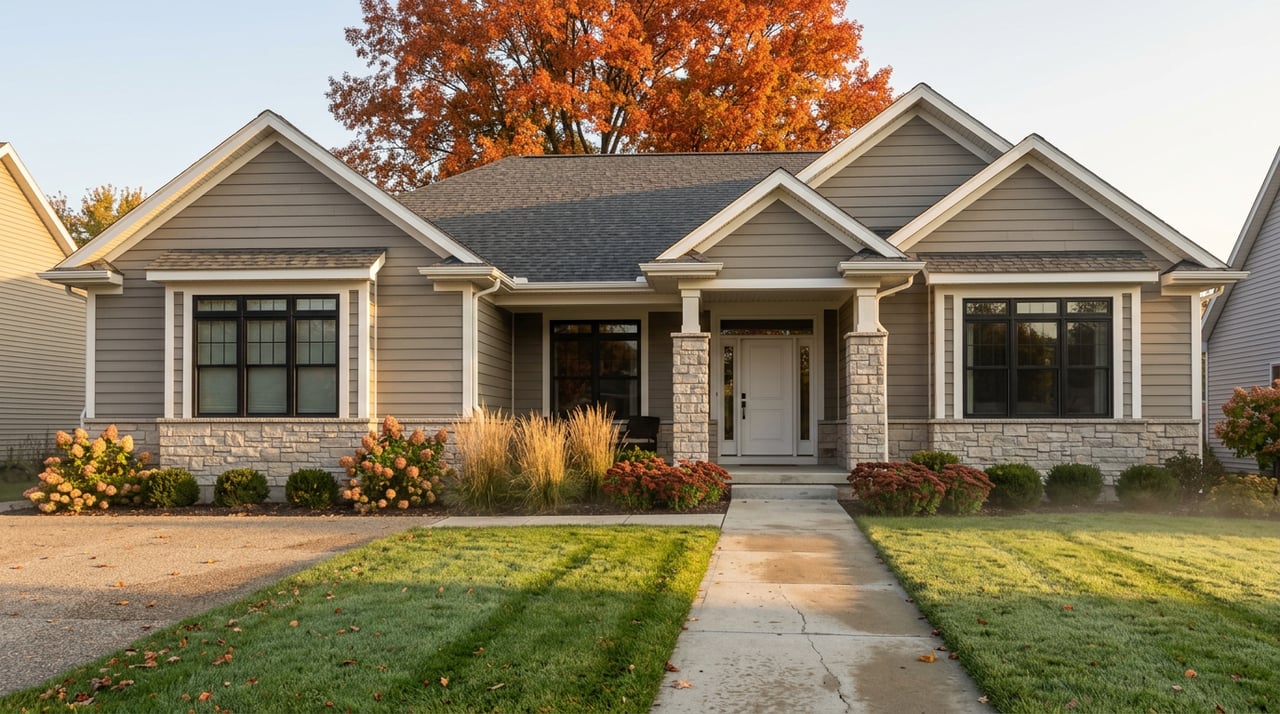
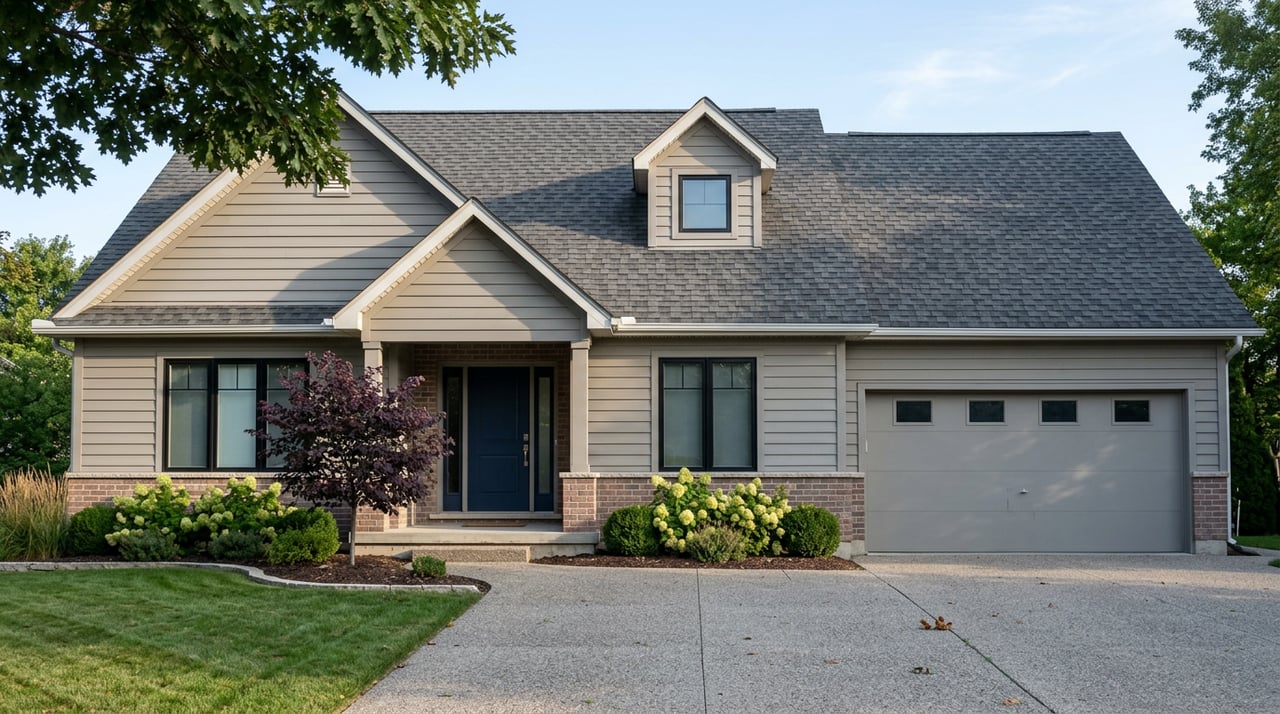
Picture two listings in Lake Elmo priced within a few thousand dollars of each other. One sits on a half acre in a subdivision that broke ground within the last two years, city sewer and water already stubbed to the lot line. The other sits on three acres with a pole barn, a private well, and a mound septic system the seller's disclosure says was installed sometime in the 1990s. Same price. Almost nothing else in common.
Ask why, and most explanations reach for lot size or finish level. Both matter, but they skip the actual mechanism: a sewer pipe that, as of this writing, is still being built. Until it finishes, Lake Elmo isn't really one housing market. It's two, and the line between them runs literally underground.
Lake Elmo covers about 24 square miles east of St. Paul and mixes historic farmhouses and early bungalows with new subdivisions and larger custom homes. That range is part of the appeal. It's also why a single median number flattens a market that behaves very differently depending on which side of the pipe you're standing on.
In November 2025, Redfin put Lake Elmo's median sale price at $610,000, down 4.3 percent from a year earlier. In the same snapshot, price per square foot had climbed 19.5 percent year over year to $236. Homes were selling faster too, averaging 41 days on market, and 25 homes closed that month compared with 12 the year before.
Read those two numbers side by side and they argue with each other. A market where the median price is falling but the price per square foot is rising almost 20 percent isn't cooling or heating. It's shifting composition. The mix of what's selling is changing even if the "typical" home isn't.
By April 2026, other portals showed the median list price near $869,000 with price per square foot holding around $246. That's not a contradiction of the November figures, it's the next frame in the same movie. More of the homes coming to market in early 2026 were the newer, sewer-connected product that commands a higher price per square foot, while older acreage listings kept the median from climbing as fast.
None of that shows up if you only look at one number on one portal on one day. It shows up when you ask what's actually driving the mix.
The answer sits with the Metropolitan Council, the regional agency that runs wastewater treatment across the Twin Cities. Its Environmental Services division has been installing a new regional sewer line on the north side of I-94 between I-694 and Inwood Avenue in Oakdale, about a mile of 21 to 30 inch pipe, with a related replacement of an existing line that crosses I-94 near Bielenberg Drive and Helmo Avenue. Bidding closed in fall 2023, and construction has run from spring 2024 through summer 2026.
The reason is capacity, not convenience. Western Lake Elmo currently gets its sewer service through a connection to the City of Oakdale's system, and that line is nearing its limit. The new regional sewer is what allows western Lake Elmo to keep developing without overloading Oakdale's pipes. Until this project wraps, growth on that side of the city is tied to how much capacity the existing connection can absorb.
That's the plumbing behind the price data. New construction and higher density product concentrate where sewer capacity already exists or is actively expanding. Older acreage properties on private well and septic sit outside that expansion zone, often on larger lots that predate the current push, and they get valued on a completely different basis.
If you're comparing a Lake Elmo listing to something in Woodbury or Stillwater, the well and septic question deserves the same weight as square footage or bedroom count.
A home on private well and septic carries costs and inspection steps a fully city-connected home doesn't: a well water test, a septic system inspection and compliance check, and a repair or replacement conversation if either system is aging. None of that makes the home a worse buy. It changes what belongs in your offer and your inspection timeline, and it changes how the home should be compared to a newer, sewer-connected property down the road that has none of those line items.
On the other side, new construction tied to expanding sewer capacity tends to come with its own version of ongoing cost. Subdivisions built around shared infrastructure often carry an association fee that covers common areas or shared systems, a cost that doesn't show up in the list price at all but shows up every month after closing.
Neither version is the "real" Lake Elmo market. They're both real, and they get harder to compare the more a headline median tries to average them into one number.
There's a fast way to check which side of the line a specific property sits on, and it comes straight from how the city bills for utilities.
Lake Elmo bills properties connected to city water or sewer on a quarterly basis. Sewer charges for all four quarters are calculated from water usage in the first quarter of the year, January through March, specifically to avoid charging summer irrigation and car washing against the sewer bill. Properties with no city utility connection are billed annually, once a year in January, for stormwater only.
That billing pattern is a quiet disclosure. A property billed quarterly is tied into city water or sewer. A property billed annually for stormwater alone is very likely on a private well and septic system. It's a detail worth confirming directly with the seller or the city rather than assuming from the listing photos.
It's also worth knowing that those bills are moving. On March 17, 2026, the Lake Elmo City Council approved rate increases across the water, sewer, and stormwater funds, effective on that April's first quarter billing. The city's own stated reasoning ties the increase to funding the operations and capital costs of new facilities and the debt tied to them, the same growth infrastructure that includes the sewer expansion described above. If you're underwriting a purchase in a newer part of the city, the current utility bill is a starting point, not a ceiling.
A few questions worth asking before you get attached to a specific Lake Elmo listing:
None of these questions are exotic. They're the ones that separate a comp that actually applies from one that only looks like it does because the price happened to land in the same range.
A background in appraisal makes you suspicious of any single number that claims to describe a whole market. Lake Elmo's median price right now is a blend of two very different products moving through two very different cost structures, and the blend is going to keep shifting as the sewer project finishes and more of the western part of the city comes online for new construction.
If you're weighing a Lake Elmo purchase against a neighboring suburb, or trying to price a Lake Elmo home you already own, the median isn't wrong. It's just incomplete. Knowing which side of that infrastructure line a specific property sits on tells you more about its real value than the headline number ever will.
If you want a second set of eyes on a specific Lake Elmo listing or your own home's value in light of what's actually driving comps right now, Sam Boatman can walk through the utility and comp details with you before you make a move.
Is the Lake Elmo West Connection sewer project finished yet? As of this year, construction has been underway since spring 2024 with completion targeted for summer 2026. Check current status directly with the Metropolitan Council before assuming any specific parcel is connected.
Does every home in western Lake Elmo need a new well or septic inspection? Only homes that are actually on private well and septic systems, which tends to describe older acreage properties rather than newer subdivisions already tied into city sewer. Checking the property's utility billing pattern, quarterly versus annual, is a quick way to tell which category a specific listing falls into before you schedule inspections.
This article is general information, not legal, tax or financial advice. Consult a qualified professional about your situation.
Stay up to date on the latest real estate trends.