Best East Side St Paul Homes for Twin Cities Commuters
May 14, 2026
May 14, 2026
If you want a home base that keeps your Twin Cities commute manageable without giving up character, parks, or everyday convenience, East Side St. Paul deserves a serious look. This part of the city gives you several distinct options, from close-in historic streets to more suburban-feeling areas with extra open space. If you are trying to figure out where your commute, housing style, and daily routine line up best, this guide will help you narrow it down. Let’s dive in.
East Side St. Paul stands out because it offers a mix of housing choices and multiple ways to get around. Saint Paul’s 2040 plan emphasizes transportation that works for drivers, transit riders, bicyclists, and pedestrians, and that shows up clearly across the east side.
For buyers, that means you are not looking at just one type of neighborhood. Some pockets sit close to I-35E and I-94 for a more direct in-town commute, while others connect well to east-metro destinations like Maplewood, Oakdale, and Woodbury.
That flexibility matters if your workweek is not one-size-fits-all. You may commute downtown some days, head east on other days, and still want errands, parks, and community spaces close to home.
The east side is not all the same. A few pockets stand out for different kinds of commuter buyers.
If your priority is the easiest downtown commute, Dayton’s Bluff is the strongest east-side option to watch. It sits in an in-town location bounded in part by Lafayette Road and I-35E, with the Mississippi River and Warner Road to the south and Phalen Boulevard and Minnehaha Avenue to the north.
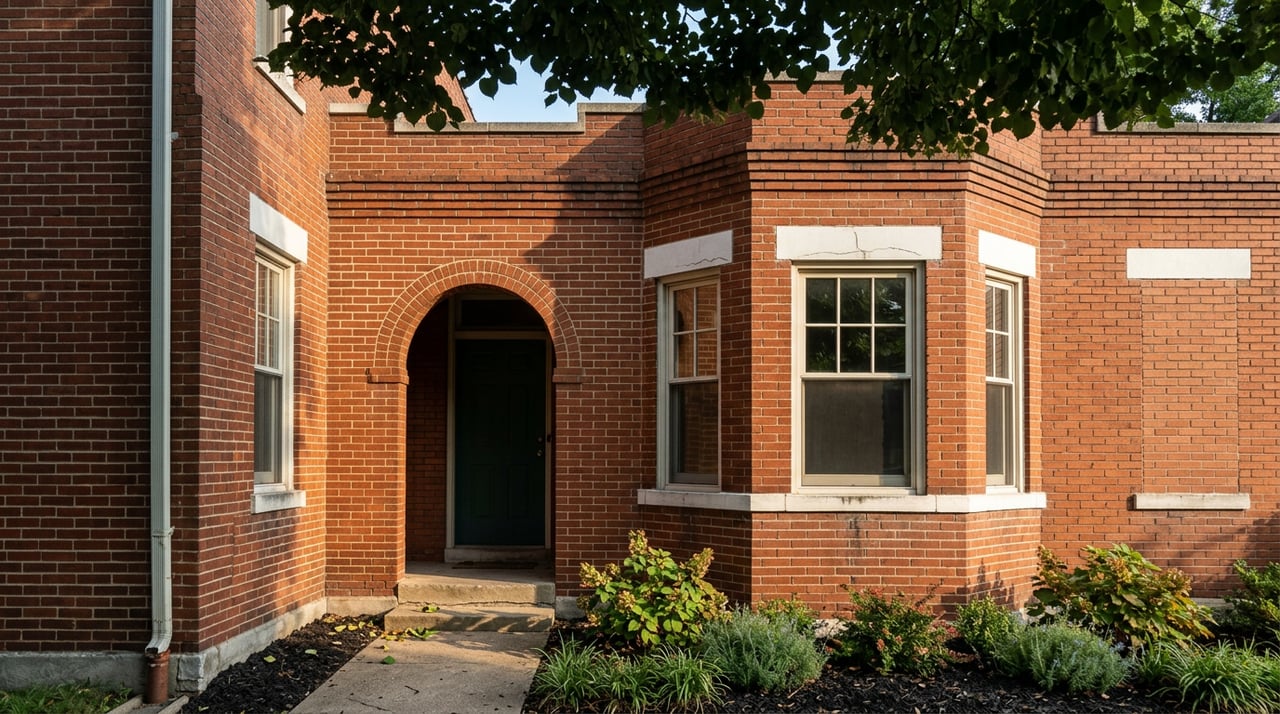
Beyond location, Dayton’s Bluff also has a clear identity. City planning documents emphasize preserving single-family homes, historic architecture, and a multimodal street network, so you get a neighborhood that feels established while still offering practical access.
This area can make sense if you want to stay closer to the urban core without moving out of the east side. It is often the best fit for buyers who want older homes, neighborhood character, and a shorter trip into downtown St. Paul.
If you split your time between Saint Paul and east-metro destinations, Payne-Phalen offers a strong middle ground. The district is bounded by Larpenteur Avenue, Phalen Boulevard, Grove Street, and I-35E, and city documents describe it as a mix of residential, industrial, and commercial uses.
For daily life, that mix can be a real advantage. Commercial corridors along Payne Avenue and Arcade Street help support errands and services closer to home, while the broader location keeps you connected to regional routes.
This pocket also gives you a wider range of housing types than some buyers expect. That can be helpful if you are comparing single-family homes with other options and want flexibility without leaving the east side.
The Greater East Side is worth a close look if your routine regularly pulls you toward Maplewood or Woodbury. This area includes parts of White Bear, Phalen Village, and Hillcrest, and city plans center on mixed housing types and mixed-use nodes along key corridors.
The biggest long-term project here is The Heights, which is under construction and planned to add 1,000 housing units, 1,000 jobs, and new parks and green space. That kind of investment can matter if you are looking for an area with visible change and future growth.
This part of the east side also lines up well with corridor improvements and commercial activity around White Bear Avenue and nearby nodes. If you want city living with strong east-metro connections, this area checks a lot of boxes.
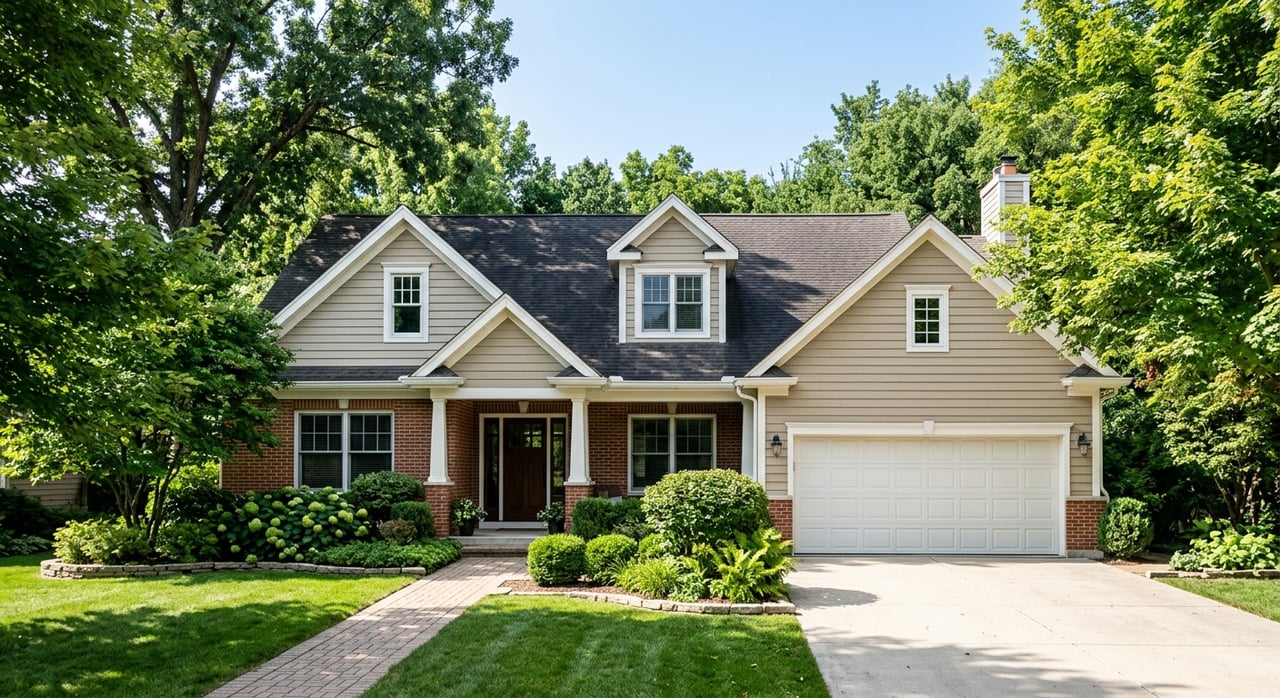
If you want your home search to lean more suburban, Battle Creek and Highwood should be on your list. District 1, in Saint Paul’s southeast corner, is described as primarily single-family housing built between 1950 and 1990, with some multifamily housing near commercial development.
The district also includes more open space acreage than any other Saint Paul district. That is a meaningful difference if you want more breathing room, easier parking, and a neighborhood pattern that feels less dense than closer-in east-side areas.
For some commuters, this is the sweet spot. You still get Saint Paul access, but your day-to-day surroundings may feel more residential and park-oriented.
Commute matters, but so does the kind of home and neighborhood feel you want. East Side St. Paul offers a broad spread.
Dayton’s Bluff is the strongest fit if you are drawn to older housing and historic character. The city’s plan specifically supports retaining single-family residential units, preserving historic architecture, and limiting unnecessary subdivision of those homes.
In practical terms, this is where buyers often focus when they want a more established streetscape and homes with original charm. If character matters as much as commute time, Dayton’s Bluff deserves a closer look.
Payne-Phalen offers a broader mix of building types. City planning documents say the neighborhood should support housing for a range of ages, incomes, family types, and household sizes.
That variety can be useful if your budget, space needs, or timeline are still evolving. It also means the housing search here may feel a little less narrow than in pockets dominated by one style of home.
The Greater East Side is also planned around a mix of owner-occupied and rental housing, with targeted redevelopment along White Bear Avenue, Phalen Village, Hillcrest, and other corridor nodes. Buyers who want flexibility in both housing type and price point often find this part of the east side worth exploring.
It is also an area where you can see active investment in business districts and streetscape improvements. That does not guarantee a fit for every buyer, but it does point to an area with ongoing attention and momentum.
Battle Creek and nearby parts of District 1 tend to lean more heavily toward detached homes. If your wish list includes a more suburban development pattern, this section of the east side often aligns better than the more central pockets.
That can be especially appealing if you are moving up from a smaller home or looking for a little more separation between home and busier commercial corridors. The extra open space nearby also helps shape the overall feel.
Commuters on the east side have more than one way to get around. That is one of the area’s biggest strengths.
The biggest recent transit update is the METRO Gold Line, which opened on March 22, 2025. Metro Transit says it provides frequent all-day bus rapid transit service across a 10-mile stretch of the I-94 corridor and serves Saint Paul, Maplewood, Landfall, Oakdale, and Woodbury.
For buyers who travel between St. Paul and the east metro, that is a big deal. Metro Transit also notes that the line connects downtown St. Paul to Woodbury and includes Sun Ray Station, which is useful for both regional trips and local errands.
Union Depot also helps support east-side transit options. Metro Transit lists Route 64 as serving Payne Avenue, Maryland Avenue, parts of North St. Paul and Maplewood, and the Maplewood Mall Transit Center.
The same station information shows Route 61 serving east St. Paul and Hennepin and Larpenteur. Together, those routes help illustrate that east-side residents can tap into both downtown and east-west connections.
For drivers, the east side’s key corridors matter just as much as the major highways. Current city corridor investments are concentrated around Payne, Maryland, and 7th Street East, along with Arcade, White Bear Avenue, and the Suburban and Old Hudson Road area.
That is a practical signal for where everyday services and quick errands tend to cluster. When you are comparing neighborhoods, access to these corridors can shape how easy your morning routine and weekend to-do list actually feel.
A good commute is only part of the picture. You also want a neighborhood that works well when you are not in the car.
Phalen Regional Park is one of the east side’s biggest lifestyle anchors. The city describes it as a destination for fishing, boating, swimming, biking, skating, cross-country skiing, golf, and picnics, giving residents a year-round outdoor option close to home.
Dayton’s Bluff has a different kind of park experience through Swede Hollow Park. The city describes it as a 25-acre neighborhood park with hiking and biking trails, benches, multiple access points, and a trail connection to Bruce Vento.
In Battle Creek, the park and recreation story is also strong. The Battle Creek area includes substantial parkland and open space, which helps reinforce its more suburban, outdoor-oriented feel.
Dayton’s Bluff Recreation Center offers year-round activities, athletics, fitness memberships, and rental space. That can make the neighborhood feel more functional for daily routines, not just attractive on a map.
Battle Creek Recreation Center adds similar everyday value with fitness space, open gym, athletics, skating, sledding, and outdoor fields and courts. For many households, these kinds of amenities matter more than a headline feature because they support regular use.
Library access also adds convenience. Dayton’s Bluff Library on East 7th Street includes the East Side Seed Library, while Sun Ray Library offers parking, Wi-Fi, hold lockers, and neighborhood programming on Wilson Avenue.
If you are trying to narrow your search, start with how you actually live during the week. Your best-fit neighborhood is usually the one that balances commute pattern, housing style, and daily convenience.
A simple way to think about it is this:
This is also where local guidance matters. Two homes at similar price points can offer very different tradeoffs depending on corridor access, transit options, housing style, and how the neighborhood fits your workweek.
If you are comparing East Side St. Paul with nearby east-metro options, it helps to look beyond the listing photos. A neighborhood-focused approach can give you a clearer picture of value, commute fit, and long-term livability.
When you are ready to sort through East Side St. Paul options with a local, practical perspective, connect with samuel boatman for guidance tailored to your move.
Stay up to date on the latest real estate trends.