Stillwater Historic Homes Guide for Smart Buyers
July 23, 2026
July 23, 2026
Dreaming about a historic home in Stillwater? You are not alone. The city’s older homes offer character you simply cannot copy, but they also come with rules, maintenance needs, and budget questions that can surprise buyers. If you want the charm without avoidable mistakes, this guide will help you understand what to look for before you make an offer. Let’s dive in.
Stillwater has a distinct historic-home market because historic character is woven through more than just downtown. The city’s Downtown Commercial Historic District is listed on the National Register, and Stillwater also uses a Neighborhood Conservation District for residential areas. The city has also documented neighborhood history across 16 areas, including South Hill, North Hill, Greeley Addition, Dutchtown, and Holcombe.
For you as a buyer, that means two homes of similar age may come with very different review standards. One may sit in a locally reviewed district, another may fall under the Neighborhood Conservation District, and another may simply be an older home in a historic neighborhood without the same level of exterior review. That difference matters when you start thinking about repairs, updates, and long-term plans.
A common concern is whether buying a historic home means you lose control over the property. In Stillwater, the answer is more nuanced than many buyers expect. A National Register listing by itself does not automatically restrict property use or force you to follow design rules unless preservation incentives are involved.
What usually matters most is local designation and local review. According to the city, local historic districts do not restrict property sales, property use, interior work, or ordinary maintenance. However, exterior changes in locally designated historic areas must meet preservation guidelines and be approved.
The city also makes clear that local designation does not require owners to restore a property or make improvements. So no, you are not automatically signing up for a mandatory renovation project just because a home is historic.
Before you write an offer, verify whether the property is in a review district. Stillwater directs property owners and buyers to use the city’s property information lookup and to contact Community Development staff for clarification.
This is one of the smartest early steps you can take. It helps you understand whether future exterior work, such as windows, paint, roofing, or additions, may need design review before you begin.
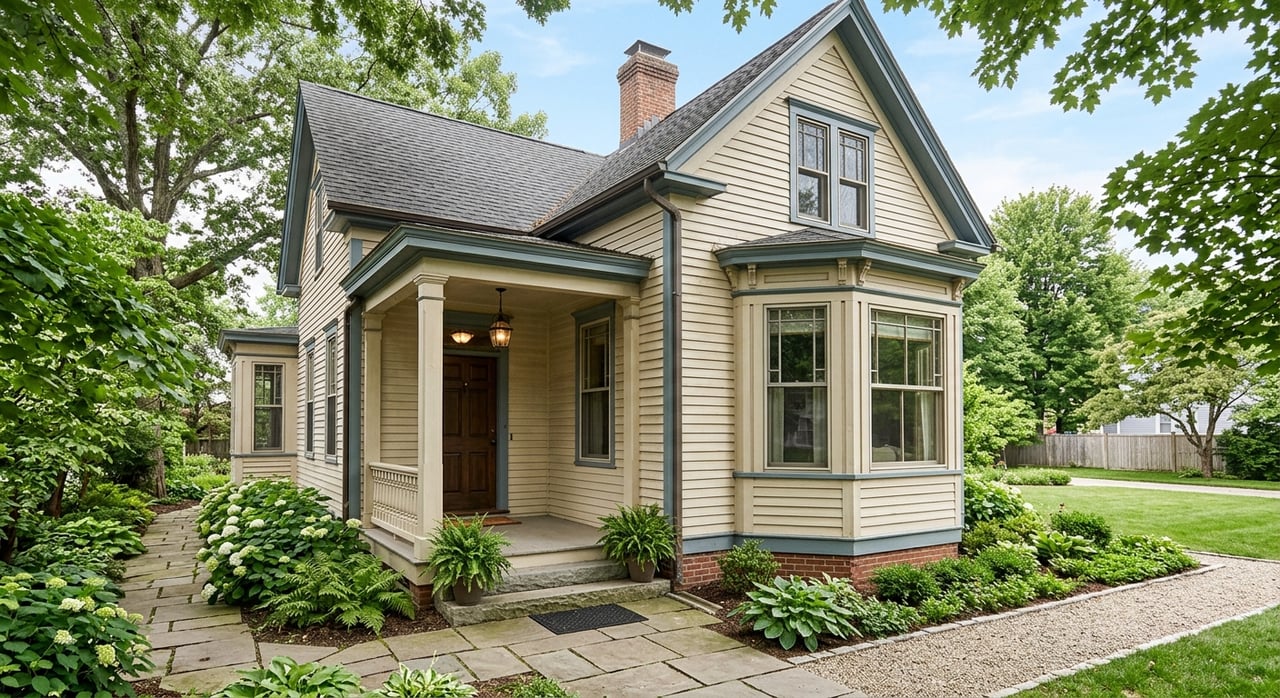
Stillwater’s older homes often reflect late-19th-century and early-20th-century design. The city’s materials identify styles such as vernacular, Italianate, Queen Anne, Gothic, Greek Revival, Second Empire, American Foursquare, and Stick.
In practical terms, that means you may tour homes with towers, wide porches, decorative shingles, bracketed eaves, mansard roofs, exposed rafters, or tall arched windows. These details are a big part of what buyers love about Stillwater. They also shape repair costs, since original trim, masonry, porches, and roof forms often need more thoughtful upkeep than newer construction.
Historic details are not just cosmetic. A deep front porch, older wood windows, brick masonry, or ornate exterior trim can all require specialized repair methods.
That does not mean you should avoid these homes. It means you should budget for maintaining original features in a way that protects the home’s character and performance over time.
With a historic home, a standard home inspection is only the starting point. Older materials, older systems, and years of repairs layered over time can create issues that do not always show up as simple yes-or-no defects.
If you are buying in Stillwater, pay especially close attention to the roof, drainage, masonry, windows, plumbing-related updates, and signs of recurring moisture. These are not minor details in an older home. They often tell you how well the property has been maintained and what future costs may look like.
A weather-tight roof is one of the most important parts of preserving a historic structure. Preservation guidance from the National Park Service notes that a poor roof can speed up damage to wood, masonry, plaster, and paint.
Moisture control goes beyond the shingles. Drainage, ventilation, and the condition of roof and site drainage systems all play a major role in recurring moisture problems. If the inspection raises concerns in these areas, you may want a follow-up opinion before moving forward.
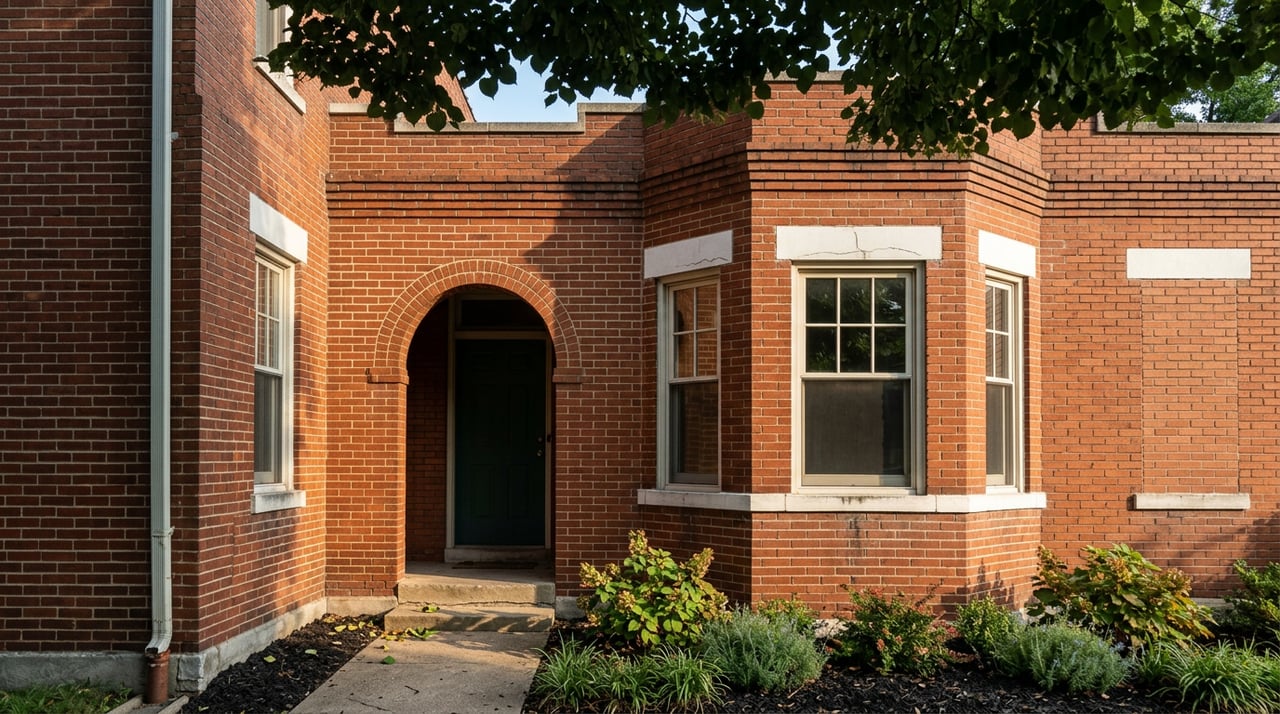
Brick and mortar are not set-it-and-forget-it materials in a historic home. Brick walls move with temperature changes, which can lead to cracking over time.
Repair approach matters too. Preservation guidance warns that incompatible mortar, especially hard Portland-rich mixes, can cause historic brick to deteriorate faster. If masonry issues come up, it is worth understanding not just the cost of repair, but whether the repair method is appropriate for an older home.
Many buyers assume old windows always need replacement. In historic homes, that is not always true.
The National Park Service notes that many historic windows have already lasted more than 100 years and can often outlast replacements when properly maintained. In some cases, caulking, weatherstripping, or glazing repair may make more sense than replacement, especially if you are trying to preserve original materials.
If the home was built before 1978, lead-based paint should be part of your due diligence. The EPA says sellers must disclose known lead information and provide the required lead pamphlet.
Buyers should also be given an opportunity to check the home for lead hazards before the contract is signed. That does not mean every older home has an active hazard, but it does mean you should review disclosures carefully and ask questions early.
Charm is real, but so are carrying costs. Recent Census Bureau data shows that owners of older homes spent a median of $1,800 a year on upkeep in 2021, while new owners of older homes spent a median of $3,900 a year.
The most common exterior projects included window and door replacement, roof replacement, and porch or deck work. On the interior side, common projects included plumbing fixtures, flooring or drywall work, and water heaters. For buyers, that is a helpful reality check when setting post-closing expectations.
When you buy a historic home in Stillwater, it helps to budget in layers:
This approach gives you a more realistic view of affordability. It also helps you avoid stretching your budget so tightly that an early repair becomes a major stress point.
Many buyers want to know what they can change after closing. In Stillwater, the answer depends on where the home is located and whether local review applies.
The city states that local historic districts do not regulate interior work or ordinary maintenance. Exterior changes in locally designated historic areas, however, must follow preservation guidelines and receive approval.
In the Neighborhood Conservation District, the city’s goals include preserving neighborhood fabric, guiding future infill, discouraging unnecessary demolition, and supporting property values and economic vitality. New construction in that district is reviewed for compatibility in size, massing, and relationship to the surrounding neighborhood context.
If you are thinking about changing windows, painting the exterior, adding onto the home, or altering major exterior features, check the review requirements first. In downtown Stillwater, exterior alterations including painting and sign installation require Design Permit approval.
Even outside downtown, it is wise to confirm how a property is classified before you assume a project will be simple. This can save you time, protect your budget, and help you make a more confident buying decision.
Energy efficiency is important, but older homes do not always respond well to modern upgrade shortcuts. Preservation guidance warns that insulating solid masonry walls can slow drying, increase freeze-thaw risk, and lead to more frequent repainting or repointing.
That does not mean you should ignore efficiency. It means insulation and air sealing should be planned around the home’s materials, moisture behavior, and construction type.
For many buyers, the right move is to think strategically rather than aggressively. Window maintenance, weatherstripping, attic improvements where appropriate, and moisture management may offer better results than invasive changes that create new problems.
Historic designation does not mean property taxes are assessed differently just because the building sits in a historic district. Stillwater states that taxes are tied to real estate value, with market value handled by the Washington County Assessor.
At the same time, the city presents preservation as one factor that helps support property values and economic vitality. In real life, value often comes down to a balance. Buyers are paying for location, architecture, and preserved character, while also weighing the likely cost of needed updates.
This is where local market knowledge matters. In a place like Stillwater, two historic homes can look similar online but differ meaningfully in condition, review constraints, and upgrade needs.
Minnesota offers a Historic Structure Rehabilitation Tax Credit for qualified projects. The state credit is 20%, refundable, and transferable.
However, the rules are specific. The owner must apply to the State Historic Preservation Office before work begins, the property must be a certified historic structure, and the project must qualify for the federal rehabilitation credit and meet preservation standards.
For most buyers, the takeaway is simple: do not assume your future project will qualify. If you are considering a major rehabilitation, verify eligibility early.
If you are serious about buying a historic home in Stillwater, keep your process grounded and methodical. Character should excite you, but numbers and due diligence should guide you.
A smart approach usually includes:
Historic homes can be incredibly rewarding to own. When you understand the property’s condition, rules, and maintenance profile upfront, you are much more likely to enjoy the charm without getting blindsided by the fine print.
If you want help evaluating older homes in Stillwater with a practical eye on condition, value, and long-term fit, connect with samuel boatman. You will get local guidance grounded in real market knowledge and a clear, steady process from start to finish.
Stay up to date on the latest real estate trends.