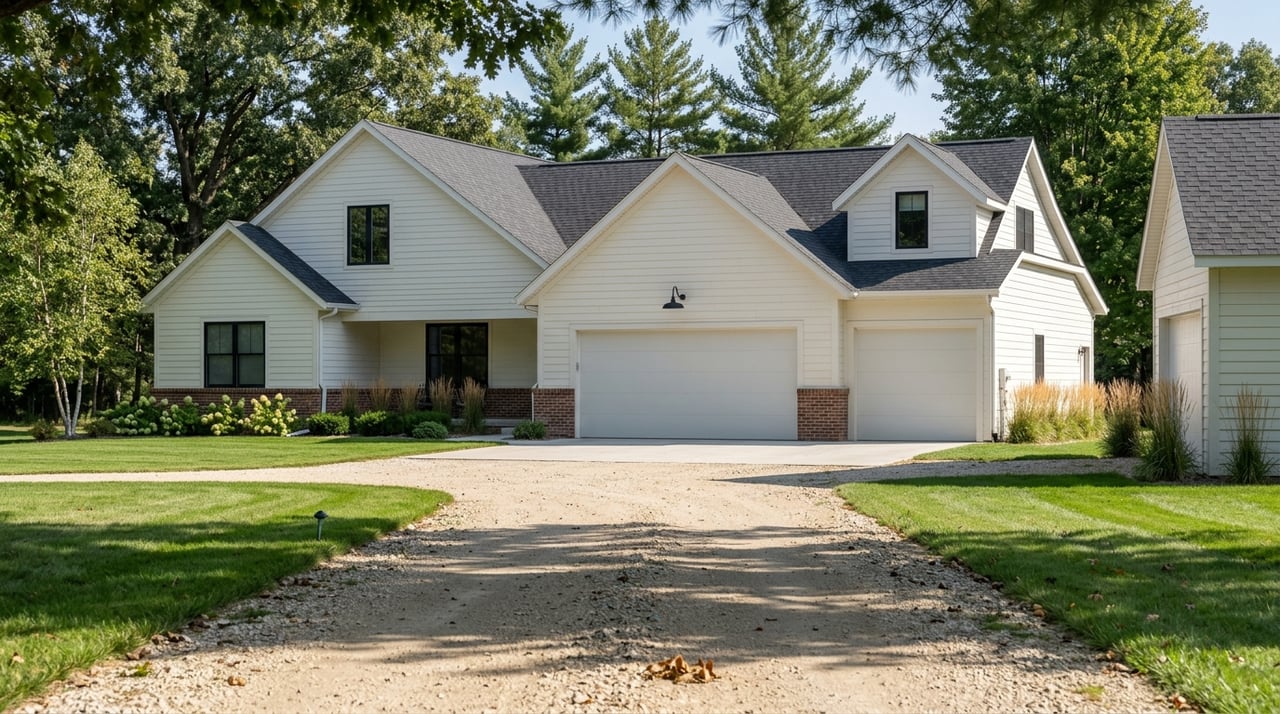
Lake Elmo Acreage Homes: Tradeoffs to Weigh Before You Buy
May 28, 2026
May 28, 2026
Wondering if an acreage home in Lake Elmo is your dream setup or a bigger project than you want? It is easy to fall for the idea of extra space, more privacy, and room to spread out. But when you buy acreage, you are not just buying a larger yard. You are taking on a different utility setup, maintenance routine, and set of property rules. This guide will help you weigh the biggest tradeoffs so you can decide what fits your lifestyle best. Let’s dive in.
In Lake Elmo, “acreage” can describe more than one kind of property. Some homes sit in true rural areas with larger parcels and private utility systems, while others are on bigger lots that still feel more like suburban living.
That difference matters. The city’s planning and zoning framework allows for very different development patterns depending on the district. In some rural districts, residential density is much lower, while lots served by public sanitary sewer can be much smaller and are generally part of areas planned for city roads, sewer, water utilities, parks, and open space services.
For you as a buyer, the key point is simple: not every bigger lot comes with the same lifestyle. Two homes may both look spacious online, but one may be on city utilities while the other depends on a private well and septic system.
Lake Elmo offers a wide range of lot sizes. Recent public listing samples have included homes on about 0.78, 0.82, 1.09, 1.12, 1.18, 1.9, and 2.53 acres, along with land offerings from roughly 0.3 acre up to 78.38 acres.
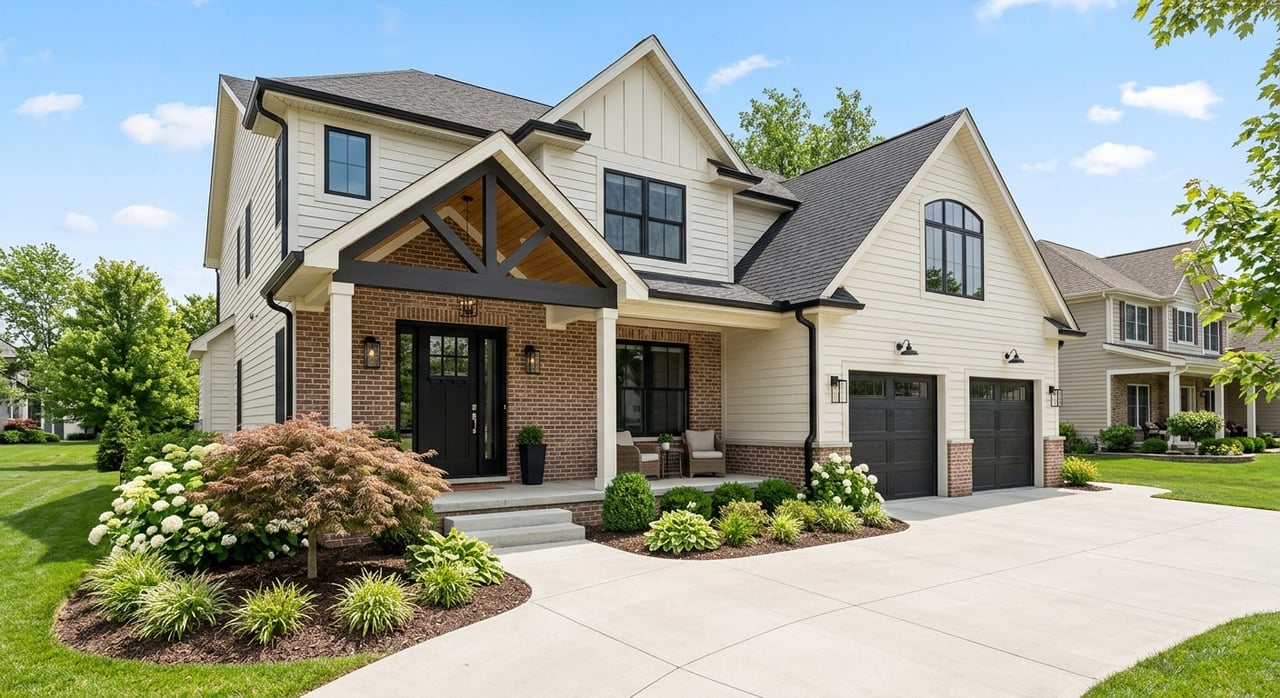
You may also see a wide mix of home styles. Public listing samples in Lake Elmo include custom-built homes, walkout ramblers, executive two-stories, prairie-style homes, and newer construction with features like larger garages, decks, porches, mudrooms, bonus rooms, and outdoor living spaces.
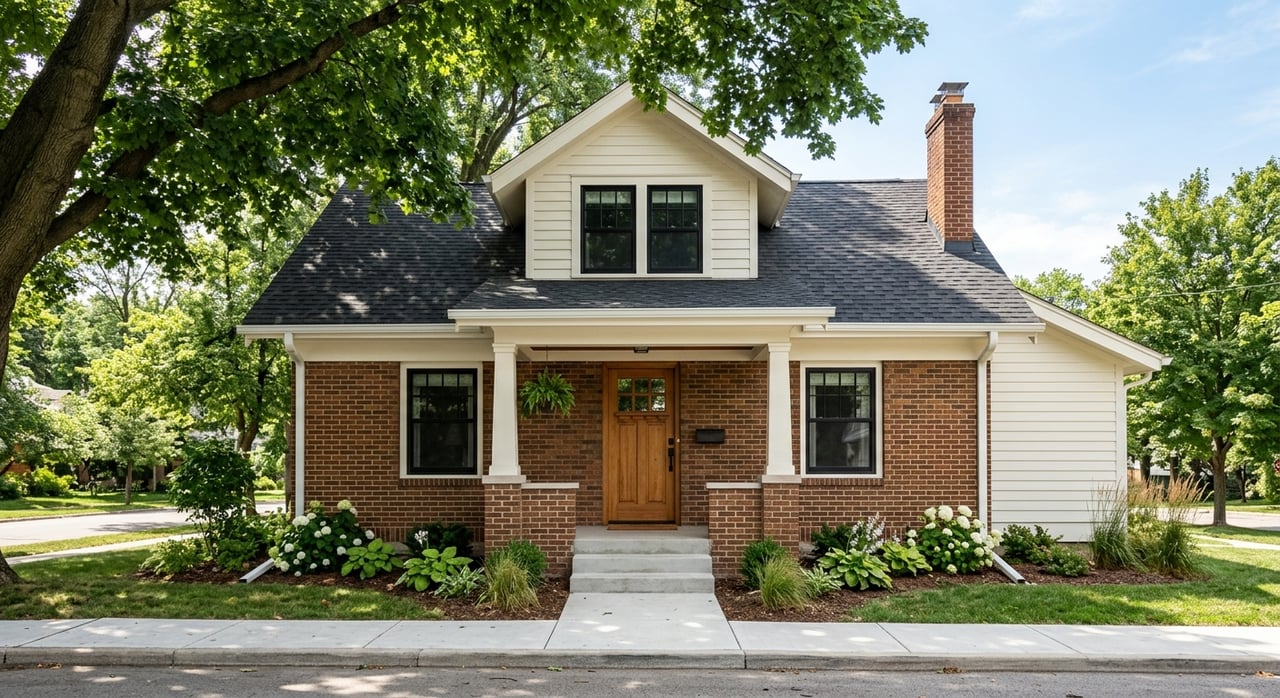
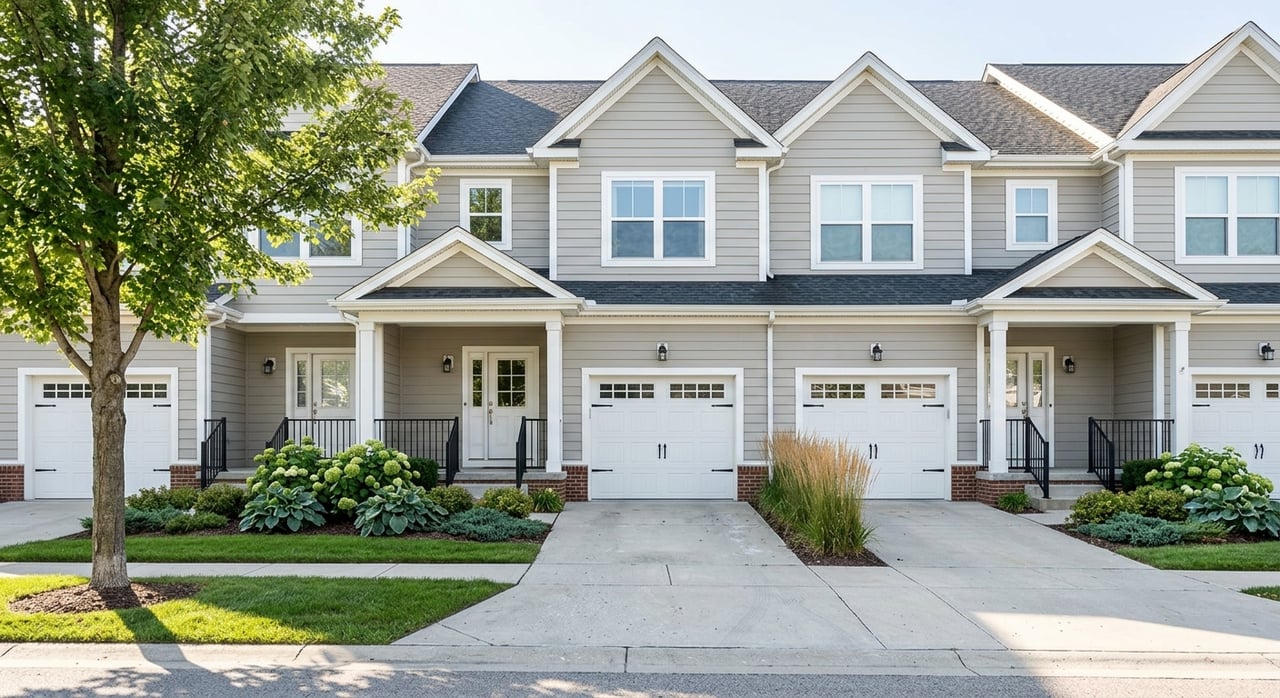
At the same time, Lake Elmo also has newer subdivision-style homes on lots closer to 0.3 acre. That makes it a useful market for comparing an acreage purchase with a more traditional suburban homesite.
The biggest reason many buyers look at acreage homes is privacy. More land often means more separation from neighbors, more tree cover, and more flexibility for how you use the property day to day.
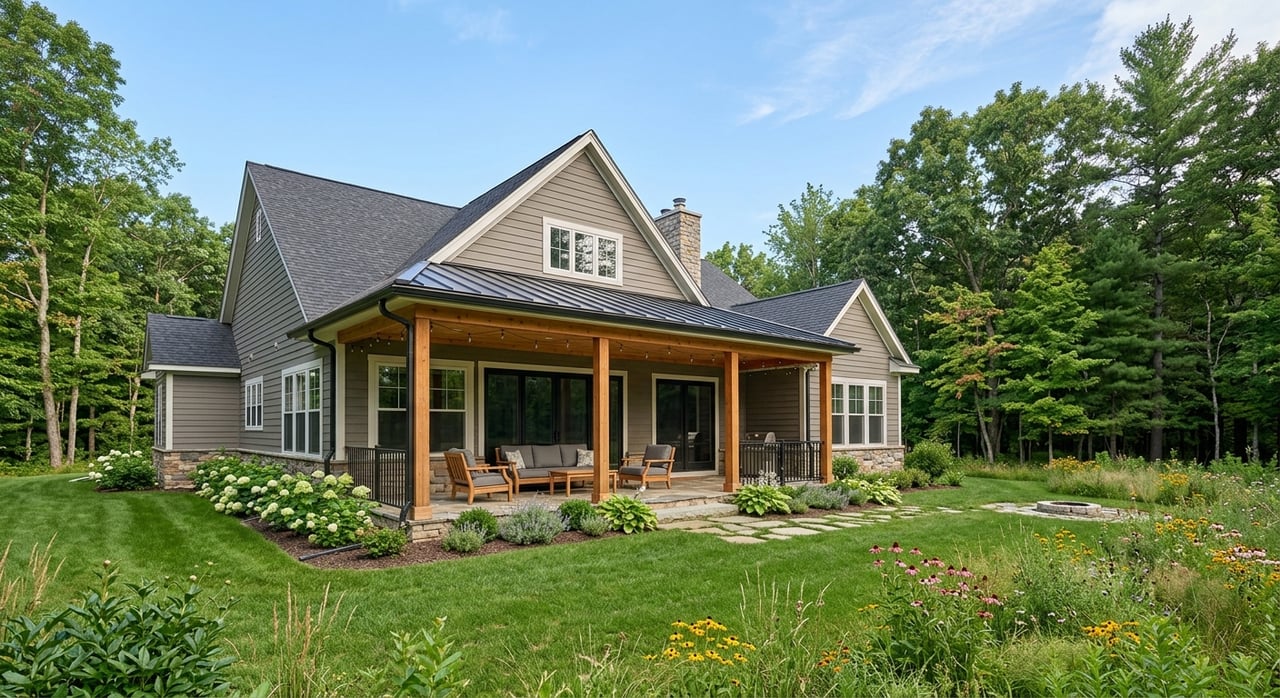
In Lake Elmo, listing descriptions often highlight wooded settings, pond or preserve views, and private sites of one acre or more. If you want room for outdoor hobbies, extra garage space, or a quieter setting, that kind of property can be very appealing.
For move-up buyers especially, acreage can feel like a major lifestyle upgrade. You may gain space for entertaining, gardening, storage, or simply enjoying more breathing room around your home.
This is one of the most important tradeoffs to understand. A property may have a large total acreage number, but that does not always mean every part of the site is easy to use or improve.
Lake Elmo’s rural standards include limits that can affect what you can do with the land. For example, maximum impervious coverage is 15 percent in the RE district and 25 percent in other rural districts. Accessory-building setbacks can range from 15 to 100 feet, and rural lots must contain at least 1.25 acres above the floodplain or free of drainage easements.
In practical terms, wetlands, floodplain, drainage easements, and setback rules may reduce the truly buildable or usable portion of a parcel. That is why it is smart to look beyond the acreage figure in the listing and ask how much of the site you can realistically use the way you want.
Acreage buyers often picture adding a detached garage, workshop, or other accessory structure. That can be possible, but it is not automatic.
Setback requirements and impervious coverage limits can shape what fits on the lot. The location of existing structures, wetlands, easements, and drainage features can also narrow your options.
If you already know you want extra buildings or expanded outdoor improvements, make that part of your due diligence early. It is much better to confirm the property works for your plans before you write an offer than to find out later that your options are more limited than expected.
One of the biggest differences between acreage living and a standard suburban lot is utility responsibility. In Lake Elmo, some acreage homes may rely on private well and septic systems rather than city water and sewer.
According to the Minnesota Department of Health, if a home uses a private well, the property owner is responsible for regular water testing and for keeping records related to well construction, maintenance, repairs, disinfection, sediment removal, and testing. The department also says that after a property transfer, the new owner takes over responsibility for wells on the property unless otherwise agreed in writing.
For septic systems, the Minnesota Pollution Control Agency recommends evaluating septic tanks at least every three years and pumping when needed. In Washington County, a septic permit is required to install a new system, repair or modify an existing system, or change the facility served by that system.
That means your budget should account for more than the mortgage payment. You may also need to plan for well testing, maintenance, water treatment equipment, septic service, and long-term replacement risk.
Even if the home itself is move-in ready, acreage usually means more ongoing upkeep. More land can bring more mowing, tree care, snow removal, drainage concerns, and seasonal maintenance.
That does not mean acreage is a bad choice. It just means the lifestyle is different. Some buyers love having more outdoor space and do not mind the work, while others prefer a simpler setup with less time spent maintaining the property.
A smaller, city-served lot may offer easier ownership if your schedule is already full. An acreage property may be worth the extra effort if space and privacy are high on your priority list.
| Feature | Acreage Home in Lake Elmo | Smaller Suburban Lot in Lake Elmo |
|---|---|---|
| Privacy | Usually more separation and tree cover | Usually closer to neighbors |
| Utility setup | May include private well and septic | More likely to be city-served |
| Outdoor space | More room for hobbies and recreation | Less yard to maintain |
| Maintenance | Higher land and system upkeep | Simpler routine upkeep |
| Improvement flexibility | Can be limited by setbacks, easements, floodplain, and coverage rules | Often more straightforward lot use |
If you are serious about buying acreage in Lake Elmo, a few questions can save you a lot of stress later. These are some of the most important ones to ask.
These questions often decide whether an acreage property feels like a great fit or an expensive lifestyle mismatch.
Acreage homes tend to work well for buyers who value privacy, outdoor space, and flexibility enough to accept added maintenance and more complex property review. If you have been hoping for more room to spread out, the tradeoff may feel well worth it.
On the other hand, if you want easier upkeep and a more predictable utility setup, a smaller lot may suit you better. There is no one right answer. The best choice depends on how you want to live, what kind of upkeep you can realistically handle, and how you want your home to function over time.
That is where local guidance matters. In a market like Lake Elmo, the difference between two “big lot” homes can be much bigger than it first appears.
If you are weighing acreage options in Lake Elmo and want help comparing usable land, utility setup, and long-term value, samuel boatman can help you sort through the details with clear, local advice.
Stay up to date on the latest real estate trends.