How to Buy a Second Home in Hudson, WI from Minnesota
May 7, 2026
May 7, 2026
Wondering if buying a second home in Hudson from Minnesota is really worth it? For many Twin Cities buyers, the answer is yes, but only if you understand how financing, taxes, and local property rules work across state lines. If you want a place that feels like a getaway without being far from home, Hudson deserves a serious look. Let’s dive in.
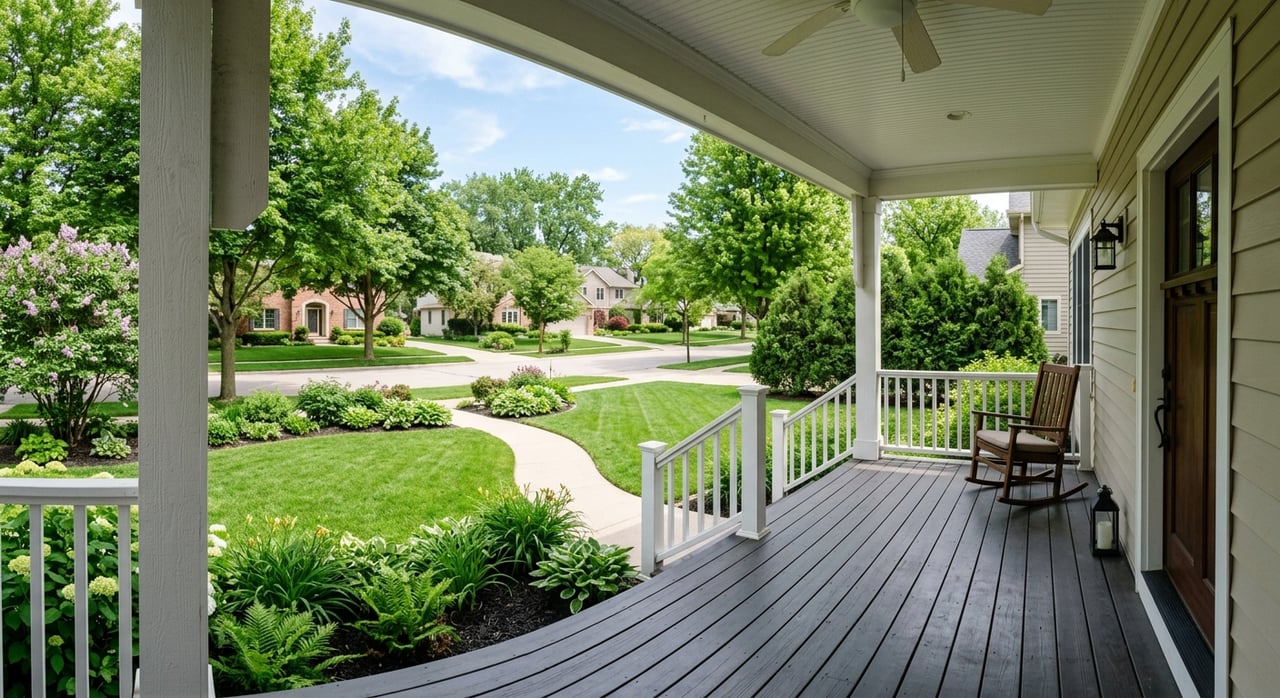
Hudson offers something many second-home buyers want: a change of scenery without a major travel commitment. The city sits on the St. Croix River and the St. Croix National Scenic Riverway, about 15 minutes east of St. Paul and 30 minutes east of Minneapolis, with Interstate 94 running right through town.
That location makes Hudson feel close enough for spontaneous weekends, longer summer stays, or even a flexible workweek setup. You can enjoy a river-town setting while staying connected to the east metro and the broader Twin Cities area.
Hudson also has a mix of settings that appeal to different buyers. The city includes river-valley areas, Old Town character, and higher hill and bluff neighborhoods, so your search can look very different depending on whether you want walkability, views, privacy, or easy access to downtown amenities.
From a market standpoint, Hudson is not just a vacation spot. Census estimates cited by the city show a population of 15,031, a median owner-occupied home value of $392,700, and median monthly owner costs with a mortgage of $2,115.
Those numbers matter because they suggest you are buying into an established, owner-occupied housing market rather than a purely seasonal one. The city also notes that St. Croix County is one of the fastest-growing counties in Wisconsin, which supports Hudson’s appeal for buyers thinking about both lifestyle and future resale.
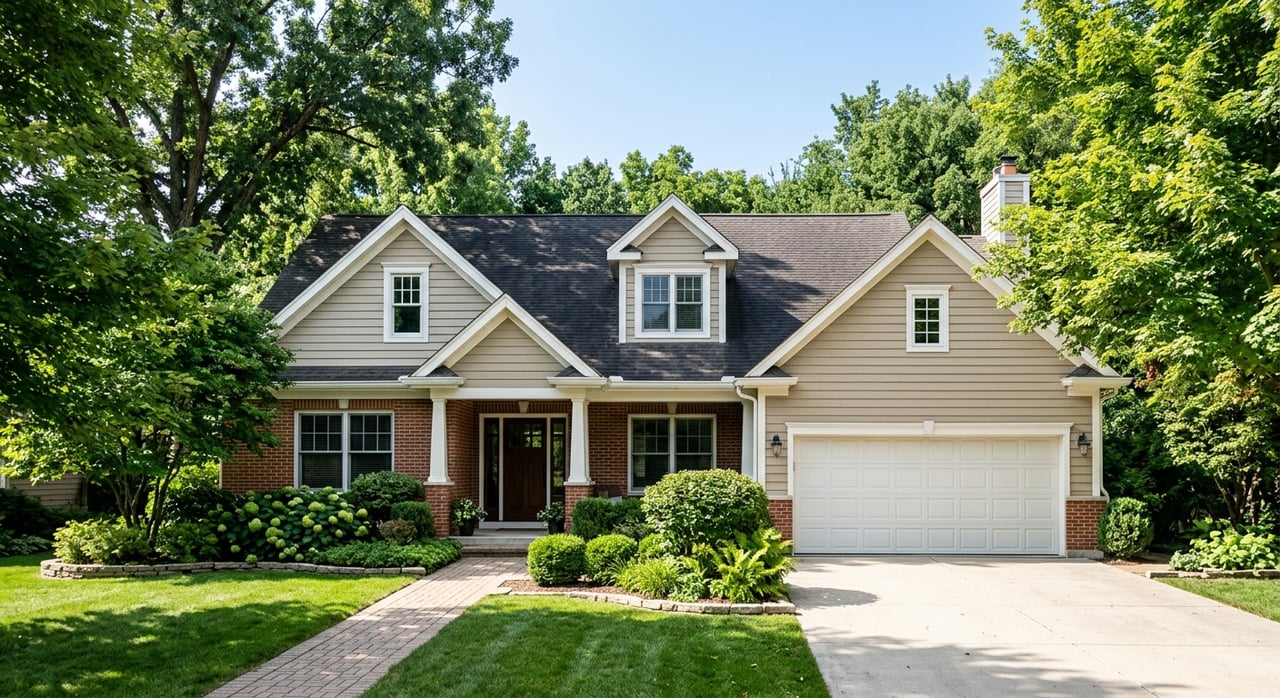
Before you fall in love with a property, it helps to know how lenders define a second home. Fannie Mae describes a second home as a one-unit property that you occupy for part of the year, that is suitable for year-round occupancy, under your exclusive control, and not a rental property or timeshare.
That definition shapes your home search more than many buyers expect. In practical terms, homes that are usable year-round and fit standard financing guidelines are often simpler to finance and may also be easier to resell later.
This is one reason Hudson stands out. Many buyers are not looking for an isolated cabin experience. They want a comfortable second base that works for weekends now and still feels practical in every season.
If you already own a home in Minnesota, buying a second home in Hudson will usually involve a different lender conversation than your first purchase did. Even if your income is strong, the lender will likely evaluate the carrying costs of both properties.
Freddie Mac’s conforming loan guidance shows a maximum 90% loan-to-value ratio for second homes, which means some borrowers may be able to put as little as 10% down. Final terms still depend on the lender and the loan program, so it is smart to verify what is available for your situation before you start shopping seriously.
Fannie Mae also notes that loan-level price adjustments can apply to some second-home loans. That means rate and pricing discussions should happen early, not after you already have a property in mind.
Another item buyers often overlook is reserves. Fannie Mae’s reserve rules state that Desktop Underwriter loan casefiles generally require two months of reserves for a second-home transaction.
Second-home financing can feel more complicated because your lender may count more of your existing housing obligations than you expect. If you are keeping your Minnesota home, the lender typically looks at both homes when calculating your debt-to-income picture.
Fannie Mae says the PITIA on an existing second home must be counted as a recurring monthly debt obligation. It also notes that if your current principal residence is pending sale, both the current and proposed PITIA can be used until the sale closes unless the lender has the required contract documentation.
For buyers, the takeaway is simple: run the numbers on your full monthly housing load, not just the Hudson payment. This is where working with someone who understands both the financial side and the local market can help you set realistic expectations from day one.
Crossing the river also means crossing into a different closing-cost structure. One of the main Wisconsin items to understand is the real estate transfer fee.
Wisconsin imposes a transfer fee of 30 cents for each $100 of value, and the Wisconsin Department of Revenue says the grantor must pay it. Even though that fee is generally a seller-side cost under Wisconsin law, buyers should still understand it as part of the closing picture and contract discussion.
This is a good reminder that a second-home purchase is not just about the list price. Your total carrying cost includes financing terms, insurance, taxes, and the details that come with buying in a different state.
This is one of the biggest points Minnesota buyers should understand. If you are buying a true second home in Hudson while remaining a Minnesota resident, you generally should not expect Wisconsin primary-residence tax credits.
The Wisconsin Department of Revenue says the homestead credit requires the claimant to be a legal resident of Wisconsin for the full year and to own or rent the Wisconsin homestead subject to Wisconsin property taxes. The lottery and gaming credit also requires Wisconsin residency and use of the dwelling as the primary residence as of the January 1 certification date.
For most Minnesota-based second-home buyers, that means those credits are not part of the math. If a seller previously received a lottery and gaming credit on the property, the credit stays with the property on the next tax bill, and the Department of Revenue says a buyer who will not use the home as a primary residence should complete Form LC-400 to remove the credit.
That may sound minor, but it is a practical item worth adding to your closing checklist. Small details like this can help you avoid confusion after closing.
Hudson’s location is a big part of its appeal, but it also creates some very specific due diligence needs. If you are looking near the river, in low-lying areas, or around bluff-adjacent properties, you should check property conditions and zoning questions early.
Wisconsin shoreland rules apply within 1,000 feet of a lake, pond, or flowage and within 300 feet of a navigable stream, or to the landward side of the floodplain, whichever is greater. The Wisconsin DNR also notes that counties, cities, and villages must adopt shoreland-wetland ordinances, and the Lower St. Croix National Scenic Riverway has additional minimum standards.
For a buyer, that can affect how you use the property over time. If you are thinking about a future addition, deck changes, drainage work, or exterior improvements, those rules can matter a lot.
The Wisconsin DNR says local floodplain ordinances are required, and the first point of contact for floodplain questions should be the county, city, or village zoning administrator. That means floodplain review should happen early, especially for riverfront or low-lying homes.
Even if a home looks ideal on first showing, you want clarity on floodplain status, drainage concerns, and any restrictions that could affect future plans. This is particularly important for second-home buyers who may want flexibility later.
Hudson is not one-size-fits-all. Old Town and river-valley areas may appeal to buyers who want access, character, and walkability, while higher hill and bluff areas may appeal to buyers looking for privacy or elevation.
Neither is automatically better. It comes down to how you plan to use the property and what type of resale buyer you may want to attract down the road.
A second home is still a real estate investment in the everyday sense that it ties up capital and creates future options. That is why resale should stay part of your decision, even if you plan to keep the home for years.
In Hudson, the strongest resale themes are often year-round usability, practical layout, and location appeal for Twin Cities buyers. Homes that fit standard second-home financing expectations, especially one-unit homes with year-round use and buyer control, may be easier for future buyers to finance.
Hudson also benefits from several broader market storylines. Its St. Croix River setting, I-94 access, citywide school district coverage, and growth in St. Croix County all support a wide buyer pool.
The city’s quick facts also show a 66.5% owner-occupied rate and a median household income of $93,937. Together, those numbers suggest a stable owner-occupied market, which is a useful backdrop when you are weighing long-term value.
If you are buying a second home in Hudson from Minnesota, it helps to think beyond the usual home search checklist. You are not just comparing bedrooms, finishes, and views. You are comparing financing structure, total monthly cost, Wisconsin tax treatment, and how easy the home may be to use and resell.
A practical search strategy often includes these steps:
When you approach Hudson this way, you can make a decision that supports both your lifestyle and your finances. That is especially important in a cross-border purchase, where small details can have a big impact.
If you are thinking about a second home in Hudson and want practical, local guidance on pricing, property fit, and the cross-border details, samuel boatman can help you move forward with confidence.
Stay up to date on the latest real estate trends.